
Ever wonder why some games have such wild age ratings? In Japan, CERO sets up a system that tells you exactly what to expect before you start playing. Their detailed labels help you and your family dodge any unexpected, intense surprises mid-game. In this post, we break down what each rating really means, so you know which game fits your style. Ready to level up your knowledge? Grab your controller and let’s dive into these game rating tips!
CERO System Overview: Foundation of Japanese Game Ratings
CERO is the brain behind how games get rated in Japan. Started in the early 2000s, they help gamers and families know what to expect from a game before diving in. Their mission is pretty simple: create a safe and fun gaming space by setting clear age limits and content rules that respect different cultural views.
They take pride in being fair and consistent. Thanks to years of experience, CERO has kept up with modern trends in online and interactive games. They’re a trusted name in making sure every game meets the rules for everyone.
Here's what CERO does:
| Task | Description |
|---|---|
| Age Classification | Sorts games by the appropriate age group |
| Content Review | Checks for violence, language, and sexual themes |
| Age Ratings | Provides official age ratings and content notes |
| Database | Keeps a searchable record of all game ratings |
| Advisory Reports | Publishes yearly updates on game content trends |
By setting clear guidelines, CERO makes it easier for gamers and parents to choose games that are a good fit. It also helps developers create games that are both exciting and safe. Ever been unsure about a game’s stuff? With CERO, you get ratings you can trust, even as the digital world keeps evolving.
CERO Rating Categories in Japanese Game Ratings

CERO’s A-Z scale is a handy guide that lets you know what to expect from a game. Each letter, from A to Z, indicates the right age group and the type of content you might find. It’s like having a quick heads-up before you dive in, games rated A are super family-friendly with very light themes, while a rating of Z means the game has heavy, adult-only content.
| Rating Symbol | Age Range | Allowed Content |
|---|---|---|
| A | All Ages | Very light themes, minimal violence, and no mature content |
| B | 12+ Years | Some cartoonish violence and mild thematic elements |
| C | 15+ Years | Moderate violence, stronger language, and suggestive content |
| D | 17+ Years | Intense violence, frequent strong language, and adult themes |
| Z | 18+ Years | Graphic violence, explicit sexual content, and extensive mature themes |
Clear cut standards like these make it easier for both gamers and parents to pick the right game. You know exactly what to expect, so there’s no chance of stumbling into something too mature for your taste. It’s a solid way to keep gameplay fun and safe, letting everyone focus on the game without any unwanted surprises.
CERO Evaluation Criteria and Content Guidelines for Japanese Game Ratings
CERO sticks to a tight set of rules that guide every step of reviewing game content. Think of it like a game checklist, it makes sure every title fits into the right age bracket by checking every detail. Their process is all about fairness and sticking to clear standards that help gamers and parents know what to expect.
They focus on key parts like:
- How much violence or gore shows up.
- How sexual content and nudity are depicted.
- The use of strong language or profanity.
- How illegal activities are represented.
- The inclusion of gambling-like game mechanics.
- Any mentions of drugs, alcohol, or other substances.
If a developer feels the rating doesn't match the game, they can file an appeal. This means submitting a formal request with evidence, hoping for a fresh look at the content. A new team of experienced reviewers then rechecks everything using the same set of benchmarks. This approach keeps things consistent while still being open to new trends and interpretations in game design.
In the end, this process gives both gamers and parents a solid sense of trust, knowing that the ratings accurately represent the game’s content even as gaming evolves over time.
International Comparison of Japanese Game Ratings
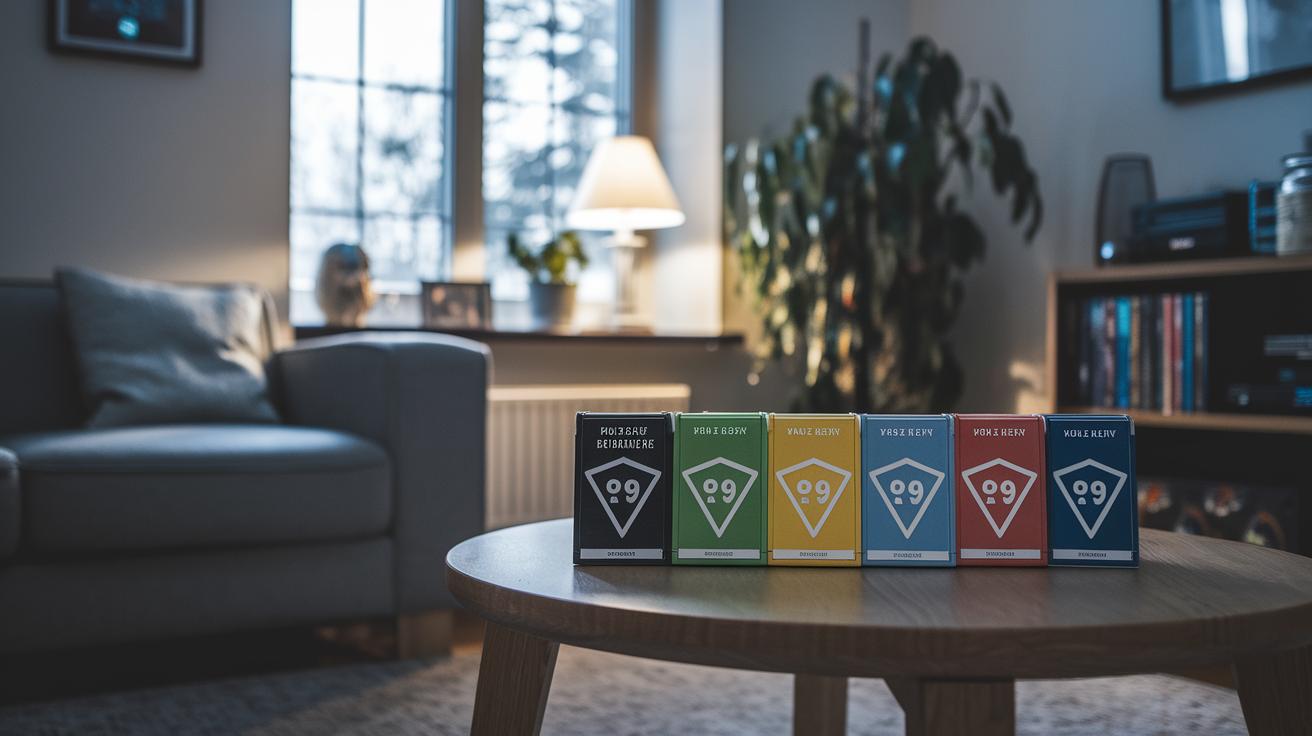
When game ratings match up across borders, it helps both gamers and developers know what to expect with just one glance. If regions use similar rules, players can easily figure out age limits no matter where they live. This makes global game releases run smoother and gives parents and consumers peace of mind. Think about it like this: a game marked as mature in North America might have a very similar version in Japan, which helps clear up worries about distribution and what players should expect.
| Region | System | Rating Symbol | Equivalent CERO Category |
|---|---|---|---|
| NA | ESRB | M | D |
| EU | PEGI | 18 | Z |
| AU | ACB | MA15+ | D/Z |
Comparing ratings from different regions shows how each part of the world looks at game content to keep players safe. In North America, the ESRB mainly checks for strong language and mature themes, while Europe’s PEGI focuses on what you see and in-game actions. Australia’s ACB combines local ideas with modern trends, giving a fresh take that works well with other systems. When these rating systems line up, it becomes easier for gamers to see how things match up, cutting down on confusion as games travel from one market to another. In the end, having clear rules across borders helps everyone, ensuring players always know what to expect before they dive into a game.
Distinguishing CERO from Japanese Press Review Scores in Japanese Game Ratings
CERO's ratings come from a board that checks each game for things like violence, sexual themes, and strong language. They look over everything to make sure each game fits into a clear age group, so gamers and their families know what they're getting. It’s all about safety and following legal rules, meaning developers have to meet tough standards before their game even hits the shelves.
On the flip side, review scores from outlets like Famitsu break down how fun and well-designed a game is. These scores are totally voluntary and reflect each reviewer’s personal take. They give you a good idea of how engaging a game can be, but they aren’t meant to serve as legal advice or age guidelines.
| What It Does | Who Does It |
|---|---|
| Sets strict age guidelines and legal info | CERO and regulatory board |
| Rates gameplay and design quality | Japanese press reviewers |
| Guides safe game distribution | Influences buying choices |
By checking out both systems, you can make smarter decisions. Lean on CERO for the legal and content details, and use the press reviews to see if a game sounds like a blast.
japanese game ratings: Stellar Insights for Gamers

CERO got started back in 2002, laying down a clear set of age guidelines and rules so gamers and families could feel safe picking a game. They worked hard to make sure you always knew what to expect, and that early focus has led to steady upgrades over time.
By 2006, CERO added more helpful notes about game content, like keeping things in check with mild violence and other cues. Then in 2012, they even started looking at online content, which felt right as gaming took a digital leap. Each change has sharpened the system, keeping it relevant as new game trends roll in.
Now, there’s fresh news from Dengeki Online about a revamped CERO ratings system. This update might tweak the current guidelines and adjust age ratings, making sure you always get trustworthy info in this fast-changing gaming scene.
Consumer and Parental Guidance on Japanese Game Ratings
In Japan, families get an extra boost from strict controls and built-in age filters to help pick the right game. Game boxes show the CERO rating right on them so parents can quickly see what kind of content is inside. Plus, today’s consoles let you block games with mature themes, giving you a simple way to keep things safe for younger players.
Here’s how you can do it:
- Look for the CERO rating icon on the game box.
- Check out the content notes on the box.
- Head over to the official CERO website for more details.
- Turn on your console’s parental controls to block certain games.
- Chat with your kids about why a game might be rated the way it is.
Before you decide on a game, it's smart to double-check these resources. Spending a few extra minutes on a trusted website can show you if the game has light cartoon violence or more intense mature themes that might not be right for all ages. These quick steps help ensure that every gaming session stays fun and safe.
Final Words
In the action, we explored how the CERO system shapes japanese game ratings. We broke down its history, core functions, and evaluation criteria. Each section dug into rating categories, international comparisons, and the differences between regulatory labels and review scores.
We also highlighted future updates and practical parental guidance. Whether you're checking content descriptors or comparing global systems, this guide has got your back. Keep your gaming experience sharp and stay ready for what’s coming next.
FAQ
Frequently Asked Questions
What does the CERO Z rating mean?
The CERO Z rating means the game contains explicit content, making it suitable only for adult players. It limits access due to mature themes like intense violence or sexual situations.
How can I find Japanese game ratings and related discussions on platforms like PS5, Xbox, and Reddit?
Searching for Japanese game ratings usually leads you to official CERO information and fan discussions on Reddit, with ratings available for consoles like PS5 and Xbox through dedicated websites and community forums.
Does Japan have a game rating system?
Japan’s game rating system is managed by CERO, which classifies titles by age-suitability and content details, ensuring games meet specific standards before reaching consumers.
Where can I find a video game ratings chart?
A video game ratings chart organizes age limits, content guidelines, and classification symbols across systems. Check official gaming websites or trusted sources for clear, ready-to-use comparison charts.
What does the CERO A rating signify?
The CERO A rating signifies games that are suitable for all ages, featuring content free of explicit violence, strong language, or adult themes, making them ideal for a general audience.
What is the difference between PEGI and ESRB ratings?
The PEGI and ESRB systems differ by region; PEGI is used in Europe with icon-based guidelines while ESRB, common in North America, provides detailed content descriptors to guide age-appropriateness.


