
Ever wonder how a small team can totally flip the gaming world on its head? Indie developers take a handful of ideas and a tight budget and turn them into game hits that captivate us all. They push their creative limits, surprising us with clever gameplay and cool twists.
In this piece, we're giving a shout-out to their hard work and passion that makes every release feel fresh and new. Stick around to see why these unexpected hits are changing our view of what a small team can do.
Spotlight on Unexpected Game Hits from Indie Developers
Indie games prove that small teams can pack a serious punch. Most of these titles sell for around $7, with top hits reaching $15 and even budget releases coming in at about $5. Developers push creative boundaries by adding unique features that have boosted player ratings to as high as 87%, way above the 79% average of bigger releases. And cross-platform play is a big deal too; imagine that 17% of PC gamers are on Macs. It’s all about making every gamer feel welcome.
These indie gems burst onto the scene with fresh gameplay and storytelling that keep us hooked. Developers often wear many hats, game designer, artist, programmer, sound engineer, and tester, all rolled into one, using every bit of available resource to craft vivid game worlds. Ever felt that thrill when you uncover a hidden bonus level or a clever plot twist? That burst of excitement is a result of passion and smart creativity turning a modest budget into a globally resonant adventure.
Indie success shows that risk-taking and technical savvy can outshine the norms of big studios. Leveraging feedback from the community and social buzz, these small teams add layer after layer of cool features with each update. Picture the rush of stumbling on a time-bending game mechanic that keeps you guessing every session. It’s a reminder that with creativity and heart, even the smallest crew can deliver an experience that feels fresh, fun, and totally unforgettable.
Indie Developer Spotlights: Superhot and Night in the Woods
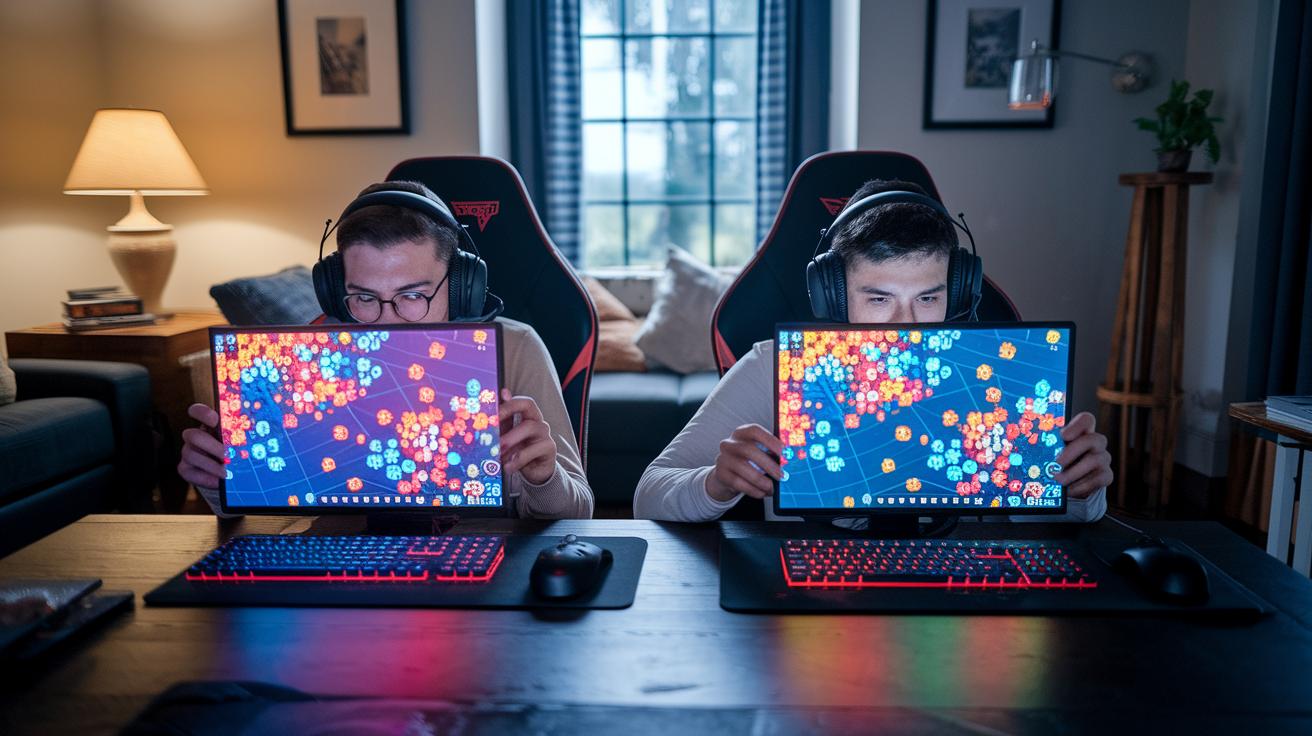
Superhot is an awesome reminder that a few brilliant minds can flip the game on its head. Made by a small Polish team, this shooter shakes up the norm by letting time slow down whenever you dodge bullets. Ever felt that rush when every move matters? The rapid click of keys and that slick slow-mo twist make each play feel intense and smart. It’s the perfect example of indie magic transforming the usual gameplay into something totally fresh.
Night in the Woods takes a different route yet still packs a heartfelt punch. Born from a passionate Kickstarter campaign, this 2D adventure draws you in with its touching story and cool visuals. Picture this: every pixel feels like it’s sharing a personal tale with you, pulling you deep into a world of real and relatable characters. Even with a tight budget, the creators found a way to make every moment resonate, showing that sometimes raw emotion and clever storytelling win big.
Both games prove that big budgets aren't the only way to score a hit. With a dash of creativity and a strong community backing, indie devs can redefine what gaming is all about.
Indie Underground Phenomena: Niche Games That Surged to Success
Indie developers are showing how focusing on smaller gamer groups and a bunch of platforms can totally change the game on what success means. Sometimes a title grows quietly until it suddenly explodes onto the scene, catching everyone by surprise with its fresh ideas. Ever felt that thrill when a game unexpectedly drops? It goes to show that huge blockbusters aren't the only ones who can win.
Small teams are taking risks with art, gameplay, and storytelling in ways that really shine. Take Snufkin: Melody of Moominvalley for example. This game, available on macOS, Switch, Windows, PS5, and Xbox Series X/S, hooks players with its quirky tale and smart strategy (think of the rapid click of keys during an intense match). Its eye-catching visuals and attention to detail make every play session feel like a new adventure.
Developers are ditching the typical, polished blockbuster style and going for genuine storytelling and simple designs that speak directly to gamers. This approach creates a direct link with communities that crave something different. Instead of relying on massive marketing budgets, their success comes from knowing exactly what their fans want.
By tailoring their games for less crowded markets, these creators are not only delivering memorable gameplay but also inspiring a new wave of indie hits that break the usual sales trends. Success stories like Snufkin: Melody of Moominvalley prove that real passion and a clear understanding of player needs can light up the scene in amazing and unexpected ways.
| Game Title | Platforms |
|---|---|
| Snufkin: Melody of Moominvalley | macOS, Switch, Windows, PS5, Xbox Series X/S |
| Pixel Pirates | Windows, macOS |
| Retro Rumble | Switch, Windows |
| Mystic Meadows | Windows, PS5 |
| Shadow Sprint | Xbox Series X/S, Windows |
Innovative Game Design by Indie Developers Behind Breakthrough Hits

Indie teams are breaking new ground with game design that goes way past simple visuals and basic stories. They’re using stuff like procedural storytelling, where the game world shifts and changes with every move you make. Ever thought about a level that tweaks its colors and details with each step you take? It’s like watching a mystery unfold right before your eyes.
A lead designer shared, "We make experiences that change on the fly, drawing players into worlds that feel both carefully crafted and totally unpredictable." This fresh method mixes deep, evolving stories with smart AI that adjusts to the player, so each run feels different.
Key tricks they’re using include:
- Modular asset design for fast updates
- AI-powered story tweaks that follow your moves
- Reactive UI systems that play off your in-game actions
| Technique | Impact |
|---|---|
| Procedural Storytelling | The story shifts based on what you do |
| Modular Asset Design | Keeps visuals fresh with speedy tweaks |
| Reactive UI Systems | Makes the interface match your every move |
New data shows games using these methods are outshining old-school indie styles by adding lots of interactivity and surprise. Dive deeper into these design ideas and see how creative thinking has led to a natural boost in player excitement.
Indie Funding and Marketing Tactics Fueling Game Hits
Indie game creators use clever, budget-friendly methods to get their projects off the ground. Many small studios price their games around $7, though you might see them from $5 to $15. This flexible pricing strategy makes sure gamers get quality gameplay without breaking the bank.
Kickstarter is one of the best tools in their arsenal. Developers tap into it not just for funds but to build up excitement long before the game drops online. A strong Kickstarter run turns into a self-made success story that builds trust and a dedicated fan base. One developer even said, "Kickstarter let us connect with our community right out of the gate, proving that our idea could turn into an indie hit." That early buzz really matters.
Creators also pick smart revenue models to keep the cash flowing. They blend in-app purchases, cool merchandise, and ad-driven deals, kind of like loading your character with a mix of powerful gear. Inspired by success stories like Rovio’s, some teams are even adding bonus features and limited-edition swag for their fans.
Founders aren’t afraid to try guerrilla marketing tricks either. With low-cost social media pushes and community events, they spread the word in creative ways. It’s this mix of passion and smart spending that turns these games into lasting hits, proving you don’t need a huge budget to make your gaming dreams come true.
Community Impact in Indie Game Success Stories

Social media has become the go-to spot where indie devs and their early fans first connect. Whether it's rapid key clicks sharing updates or behind-the-scenes peeks, these channels make you feel like you're part of the game’s journey. One dev even posted, "Your feedback shaped our new feature," and suddenly everyone was buzzing with excitement.
Fan communities aren't just spreading the word, they're making real changes. Fans drop suggestions that devs quickly turn into new updates after launch. Picture a dev in a Discord chat saying, "We heard you, here’s a tweak inspired by your idea." Moments like this make each update feel personal and show that the game grows through open talks.
Keeping things transparent builds trust and keeps the gamers coming back. With regular polls, live Q&A sessions, and detailed update logs, everyone feels like they’re part of the decision-making process. This back-and-forth turns a small game project into a real community effort. Every comment, forum thread, and shared idea fuels the passion of indie developers.
By really listening and chatting openly, these creators prove that community impact isn’t just a buzzword. It’s the key connection that changes cool ideas into lasting successes, making sure every gamer’s voice helps shape the game’s future.
Regular meetups and online forums only make these bonds stronger, sparking fresh ideas and keeping the excitement alive all around the globe.
Indie Success Blueprint: Strategies for Aspiring Developers
Indie game development means wearing many hats at once. You handle pricing, design for different systems, localization, and building a community around your game. It can feel like you’re preparing for a big raid every day. Instead of rehashing old ideas, try blending these usual topics with new tactics focused on modern project management and the latest trends in game design. This way, every tip you use adds fresh value without feeling like a repeat quest.
- Optimize your workflow by embracing modern project management tools. Use kanban boards (visual task trackers) to keep a clear view of your progress. Think of each daily task as a mini raid; every update gets you one step closer to victory.
- Regularly review your pricing and budgeting. It’s like adjusting your loadout in real time by listening to market feedback and shifting resource allocation as needed.
- Experiment with new design techniques that push the limits of creativity. Imagine upgrading your game's look with fresh visual styles that stand out like a rare skin in your favorite game.
- Focus your marketing on digital channels and use data-driven strategies. Let player behavior guide you, similar to watching the live chat during a streaming event to see what really resonates.
- Involve your community in the testing process. Gather feedback often to fine-tune features, ensuring your game stays as responsive as a well-polished esports title.
Final Words
In the action, we explored how indie games turn simple ideas into big wins, mixing creative design with smart funding tactics. Short profiles highlighted how teams used clever tricks and community love to fuel success. Each section showed that even small projects can shine with the right approach.
The indie developer spotlight: success stories behind unexpected game hits reminds us that passion and innovation turn challenges into celebrated milestones. Game on and keep pushing your limits!
FAQ
What are indie game developers success stories?
The indie game developers’ success stories show how small teams turn creative ideas into popular hits using innovative design, smart funding, and strong community backing. These tales inspire both newcomers and seasoned pros.
How much do indie game devs get paid?
The pay for indie game devs varies widely. Earnings depend on game sales, in-app revenue, and merchandise. Some thrive on smart pricing strategies, while others balance multiple income sources to support their projects.
What is the most successful indie game?
The most successful indie game is often debated, but titles like Superhot and Night in the Woods consistently stand out. Their unique gameplay and storytelling set them apart and captivate gamers around the world.
How many indie devs fail?
The rate of indie dev failures is high, as many projects struggle to break even. Success hinges on innovative game design, effective marketing, and active community feedback, making the path challenging yet rewarding.
What does the life of an indie game developer look like?
The life of an indie game developer involves juggling roles such as designer, coder, and marketer. They work with limited resources, rely on community input, and continually adapt to overcome production challenges.
Where can I learn more about indie game dev revenue and community discussions?
Online forums like Reddit offer firsthand insights into indie game dev revenue and daily challenges. Gamers and developers share practical experiences and advice that help others navigate the fluctuating market.


