
Ever wonder how your favorite games keep the cash rolling? In 2023, spending on games jumped by 12% because developers used smart microtransactions and creative payment options.
Gamers are now scoring cool cosmetic upgrades and flexible subscription plans while never missing a beat in the action. This breakdown shares the numbers and tricks that make money flow in today’s gaming world. We’re here to show you what works, why players keep buying, and what the future could look like for both game makers and fans alike.
Comprehensive Analysis of Latest Trends in Game Monetization
In 2023, gamers around the world helped push game monetization revenue to a whopping $200 B. That’s a 12% jump from last year and shows just how much players love spending on their favorite titles. About half of all digital game money comes from microtransactions, meaning folks are buying cool in-game upgrades and items more than ever before. Subscription services and live-service games chipped in another 30%, while blockchain and NFT games landed around $750 M. These numbers really show how the industry is leveling up financially.
Developers are mixing things up with lots of payment options. From subscription services to ad-based setups and even blockchain systems, there’s a lot of variety in how you can pay for games. New digital commerce platforms make buying in-game content quick and simple, so players can keep the fun going without any hassles.
So why are these trends on fire? Game makers are crafting richer, more immersive experiences. They add fresh content, hold live events, and offer time-limited deals that keep the adrenaline pumping. This strategy keeps gamers on their toes and helps create a steady cash flow. Plus, with easier payment methods and smart purchasing options, those little in-game buys have become a major player in the market. All these factors work together to create a game monetization scene that adapts fast to what players want and the latest tech advancements.
Microtransaction and Cosmetic-Only Monetization Trends
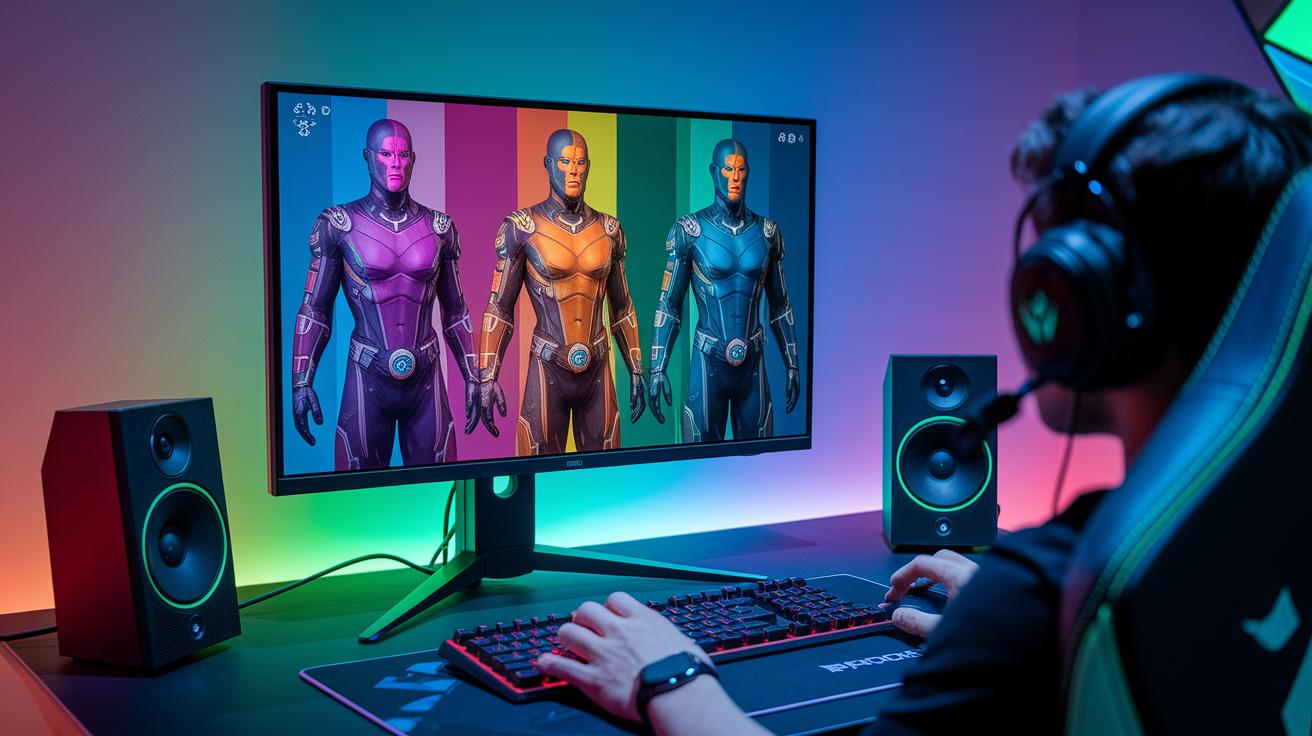
Cosmetic microtransactions have become a real game-changer in how developers make money. In 2023, nearly half of all in-game spending, 45%, came from cosmetic purchases. Think about it: Fortnite raked in $1.2 billion from skins, League of Legends earned about $1 billion, and Asian gacha games pulled in a whopping $4 billion from features that randomize cosmetic items. It’s clear that gamers love personalizing their characters without changing how the game plays.
Here's what gamers are buying:
| Cosmetic Options |
|---|
| Character skins and outfits |
| Weapon and gear skins |
| Emotes and animations |
| Cosmetic battle pass rewards |
| Profile avatars and nameplates |
This focus on how things look boosts player engagement and hikes up the average revenue per user (ARPU). Gamers are willing to spend extra for unique styles that let them stand out during those epic competitive matches and in social hangouts. With regular updates and fresh designs dropping in each season, developers keep the excitement alive while ensuring steady cash flow. It's a cool reminder that sometimes, investing in style can totally level up the overall gaming experience and keep the spending going strong.
Battle Pass and Season Pass Models in Game Monetization
Battle passes took off after Fortnite dropped them in 2018, and now tons of popular games use them. They let you unlock cool rewards over a set season, kind of like collecting loot in your favorite co-op game. It’s all about giving you more bang for your buck while keeping the game fresh.
More than 25 big and mid-tier games have jumped on this trend, with season passes usually costing about $10. This model has boosted game earnings and kept player interest up by around 15 to 20 percent. In 2023, games with these passes pulled in $3 billion, proving just how strong this approach is. Developers enjoy a steady cash flow, which means they can drop new content regularly. That mix of smart pricing and awesome rewards keeps gamers engaged and makes the community even tighter. Looking ahead, we might see extra reward tiers and fun community challenges to keep the excitement going.
Ad-Based Monetization Strategies in Modern Games
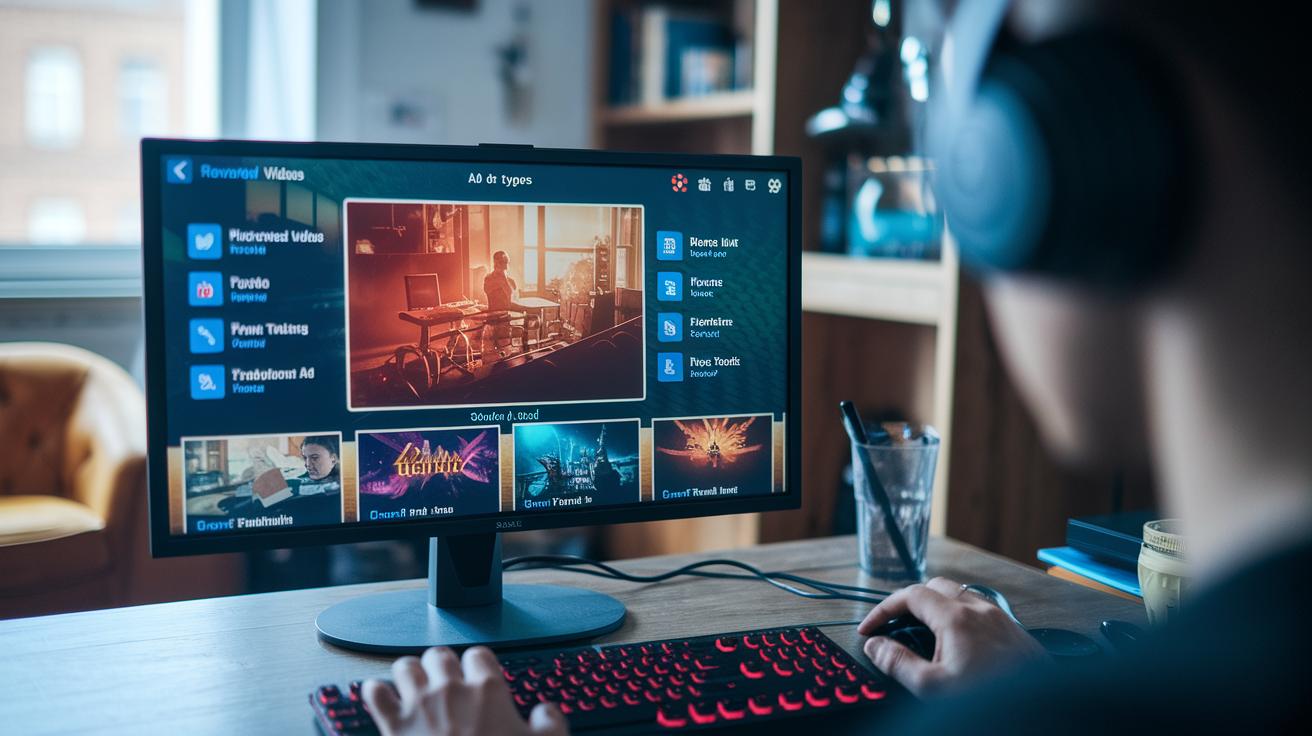
Ad monetization is changing fast, and game creators are trying out different ad styles to keep your game smooth while still earning cash. In 2023, ad revenues around the world hit $15 billion as developers tweaked where and how ads appear to keep things fun and fair. Rewarded video ads are a favorite because they give gamers extra in-game perks and pull in a solid 5% click rate, which makes up 60% of the ad cash. Many of these ads show up through digital ad platforms (https://nerdladder.com?p=338) that slip them into menus and loading screens without throwing off your game flow.
| Ad Type | CTR (%) | Revenue Share (%) |
|---|---|---|
| Rewarded Video | 5 | 60 |
| Interstitial | 2 | 25 |
| Banner | 0.5 | 10 |
| Playable Ads | 6 | 5 |
Keeping the right mix of ads and gameplay is key. Rewarded ads hand out real in-game bonuses, while interstitial and banner ads help pay the bills without overloading you with interruptions. And with playable ads grabbing extra attention, developers are always finding new ways to make ads feel like a natural part of the game. This smart approach not only boosts their earnings but also keeps the gaming experience smooth and enjoyable.
Subscription and Live Service Monetization Growth
Subscription models and live service monetization have totally changed how games earn money these days. Instead of buying a game one time and then moving on, you now get a steady stream of updates, fun events, and unique in-game bonuses that keep you hooked, kind of like leveling up your favorite character with every new challenge.
Think about it: services like Xbox Game Pass and PS Plus went from 20 million subscribers in 2019 to a whopping 70 million by 2023, raking in around $3.5 billion a year. That jump shows gamers are all about bundled deals and regular content drops. Even big titles like Genshin Impact pulled in roughly $2.5 billion from events and season passes in 2022. These numbers prove that turning one-time purchases into regular income is a real game-changer.
For both developers and gamers, this model is a win-win. Regular updates not only keep the community active and excited, but they also provide a steady cash flow that lets developers keep improving the game. You get fresh challenges and cool rewards, while developers get the predictable earnings they need to keep the game evolving.
Blockchain, NFTs, and Crypto Gaming Monetization

Crypto gaming has hit some wild highs financially. In 2022, play-to-earn NFT games pulled in about $500 M in sales, with roughly 1.2 M active wallets on a daily basis. Think about it, games like Axie Infinity once soared to 2.7 M daily users at their peak, only to drop to around 200 K later on. Ever felt that shock when your favorite game suddenly loses steam? It shows just how unpredictable the crypto gaming scene can be.
At the same time, the pressure from market shifts and new rules is ramping up. After some key SEC remarks, the watch on crypto gaming increased by 25%, forcing developers and investors to tread more carefully. They now have to blend cool blockchain mechanics with the reality of legal challenges. Sometimes, this means tweaking how in-game transactions work, which can directly impact how much revenue the game makes. It's a fast-changing arena, kind of like adapting to a sudden change in a live match, where staying on top of trends and rules is key.
Regulatory and Ethical Trends in Game Monetization
Game rules are changing fast thanks to global regulators. In 2018, Belgium and the Netherlands made loot boxes illegal, which set the tone for what was to come. By 2020, China introduced spending limits, and the ESRB added warnings for in-game purchases. In 2021, a UK white paper pushed for clearer age ratings and odds disclosures to keep things fair.
- Clear drop-rate info for random items
- Age ratings linked to loot box features
- Spending caps or parent-approved limits
Developers are reworking their money-making plans to stick with these new rules. A lot of studios now share upfront info about chance odds for random rewards, which builds trust with players. Some are also adding features that match age groups and putting in spending safeguards to protect younger gamers. It's a smart move that not only meets global standards but also boosts the game experience with honesty and fairness. In a scene where trust is everything, these changes help companies score big in the long run while staying ahead of new laws.
Future Predictions for Next-Gen Game Monetization

The way games make money is about to change big time. New tech like AR/VR is shaking up old money models. Experts say that money from AR/VR in-game buys could jump by 50% by 2025, hitting around $3 billion. Plus, smart AI pricing (which tweaks costs in real time) might boost what each gamer spends by about 10 to 15%. And keep an eye on subscription services, by 2024, they might merge into one smoother system. All of this means game makers are moving toward high-tech, custom-made ways for players to spend, making each experience feel unique.
Developers and publishers, buckle up! Now is the time to jump on board with real-time data and better player interaction. Staying sharp on AR/VR trends, using AI for quick price changes, and making subscription models simpler can bring in more cash and keep gamers happy. Teaming up with the right partners and syncing your platforms will be key to making these changes stick. In short, planning ahead will help gaming companies guess what players want and deliver a smooth, exciting spending experience that keeps everyone in the game.
Final Words
In the action, we broke down key stats and insights throughout the piece. We walked through data on microtransactions, battle pass performance, ad-based strategies, and more. This in-depth headline analysis of the latest trends in game monetization gave you a clear look at how shifts in revenue models can shape your play. Keep experimenting with new tactics, enjoy the progress, and stay charged for what's coming next.
FAQ
What are the latest trends in game monetization?
The latest trends in game monetization show a mix of models like microtransactions, battle passes, ad setups, subscriptions, and blockchain games, reflecting a growing revenue market that now reaches billions.
How do microtransaction and cosmetic-only models impact game revenues?
The microtransaction and cosmetic-only models boost game revenues by selling non-functional items like skins and avatars, which have driven billions in sales while keeping players engaged with in-game personalization.
How are battle pass and season pass models shaping player retention and revenue?
Battle and season pass models drive player retention and revenue by offering affordable, structured rewards, boosting retention by around 15–20% while contributing billions to game earnings since their popularization.
What are the key performance metrics of ad-based monetization in modern games?
Ad-based monetization metrics reveal that rewarded videos, interstitials, banners, and playable ads deliver varying click-through and revenue shares, allowing developers to balance income generation with positive user experiences.
How do subscription and live service models lead to predictable game revenue?
Subscription and live service models foster predictable revenue by growing subscriber bases—like Xbox Game Pass and PS Plus—and leveraging regular content updates that keep players engaged and spending consistently.
What is the current state of blockchain, NFT, and crypto gaming monetization?
Blockchain, NFT, and crypto gaming monetization has seen significant sales figures and active user counts, though regulatory reviews and fluctuating daily active users present challenges for long-term stability.
How are regulatory and ethical trends changing monetization practices in gaming?
Regulatory and ethical trends, such as loot box rules, mandatory drop-rate disclosures, and age-based spending limits, are pushing developers to modify monetization designs to protect players and improve transparency.
What future trends are predicted for next-gen game monetization?
Future predictions for game monetization point to AR/VR microtransactions, AI-based pricing models, and subscription consolidations that could boost average revenue per user and streamline developer income strategies.


