
Ever felt that gaming can be as serious as a pro sport? Esports turns digital play into a real-deal arena where gamers battle in tournaments for cash rewards and major bragging rights.
It’s like gearing up for a big championship where every move matters, much like those nail-biting final rounds you watch on TV. In this write-up, we dig into what esports is all about, covering everything from organized events to the dedicated community behind them, showing why this fresh spin on competition is drawing gamers in from all over.
Esports Fundamentals: Definition and Core Concepts
Esports, or electronic sports, is where gamers go head-to-head in video game tournaments to win cash prizes. Think of it like a digital showdown, where intense matchups feel just as thrilling as a clutch play in your favorite sports game.
Like any classic sport, esports has its leagues, teams, and a fan base that cheers every move. Gamers train hard, work on their strategies, and build teamwork just like athletes in soccer or basketball. Ever noticed how a small local tournament can explode into a global, high-octane event?
At its heart, esports is all about organized events, team battles, and serious prize money. Tournaments are planned out with precision, featuring prize pools that can hit tens of millions of dollars in top-tier showdowns. Official leagues, franchised teams, and regulated competitions give esports a professional vibe that mirrors traditional sports. It’s a gaming world driven by passion, precision, and a community that loves the rush of the game.
History and Evolution of Esports

It all started back in 1972 when the very first esports event made its debut by handing out a yearlong magazine subscription as a prize. This simple contest sparked a whole new idea about organized electronic gaming, setting the stage for what would soon become a massive global movement.
| Year | Event/Game | Prize/Note |
|---|---|---|
| 1972 | Early Esports Event | Yearlong magazine subscription |
| 1980 | Space Invaders Tournament | One of the first big contests |
| 1981 | Donkey Kong Championship | A popular arcade showdown |
| 1990s | Mortal Kombat, GoldenEye | Big contests that pushed popularity |
| 2000s/2010s | South Korea Pro Leagues | Laid the foundation for multimillion-dollar prizes |
These key moments show how esports quickly evolved from local arcade challenges into high-level professional leagues. As competitions grew larger and reached audiences worldwide, the gaming scene truly went global. Ever wonder how tournament culture kept changing? Check out more about its evolution at this link: evolution of tournament culture in esports.
Popular Esports Game Genres
Esports is a giant playground of different game types that bring players and fans together. Whether you're into teaming up for epic battles or diving into intense head-to-head duels, there's a game for every taste.
- MOBA: In these games, teamwork and strategy are key. Guys work together in large, epic battles where every move counts.
- FPS: These matchups are all about speed and precision. Your quick reflexes and sharp aim can turn the tide in a flash.
- Fighting Games: Here, it's all about one-on-one battles. Timing your moves and pulling off clever combos really makes the difference.
- Sports-Based Titles: Imagine your favorite real-life sports ramped up on your screen. These games capture that same thrill, making every pass or goal feel real.
Having so many different game types keeps esports fresh and growing. New digital hits and popular competitive games spark interest and draw in fans from all walks of life. Big events, like the League of Legends World Championship in 2023, brought over 6 million viewers and packed arenas with 18,000 excited fans. This mix of genres not only widens the fan base but also fuels fresh ideas and strategies in gameplay. Check out the evolving landscape of multiplayer gaming: headline insights to see how these genres continue to shape the vibrant world of esports.
Structure of Esports Leagues, Teams, and Tournaments
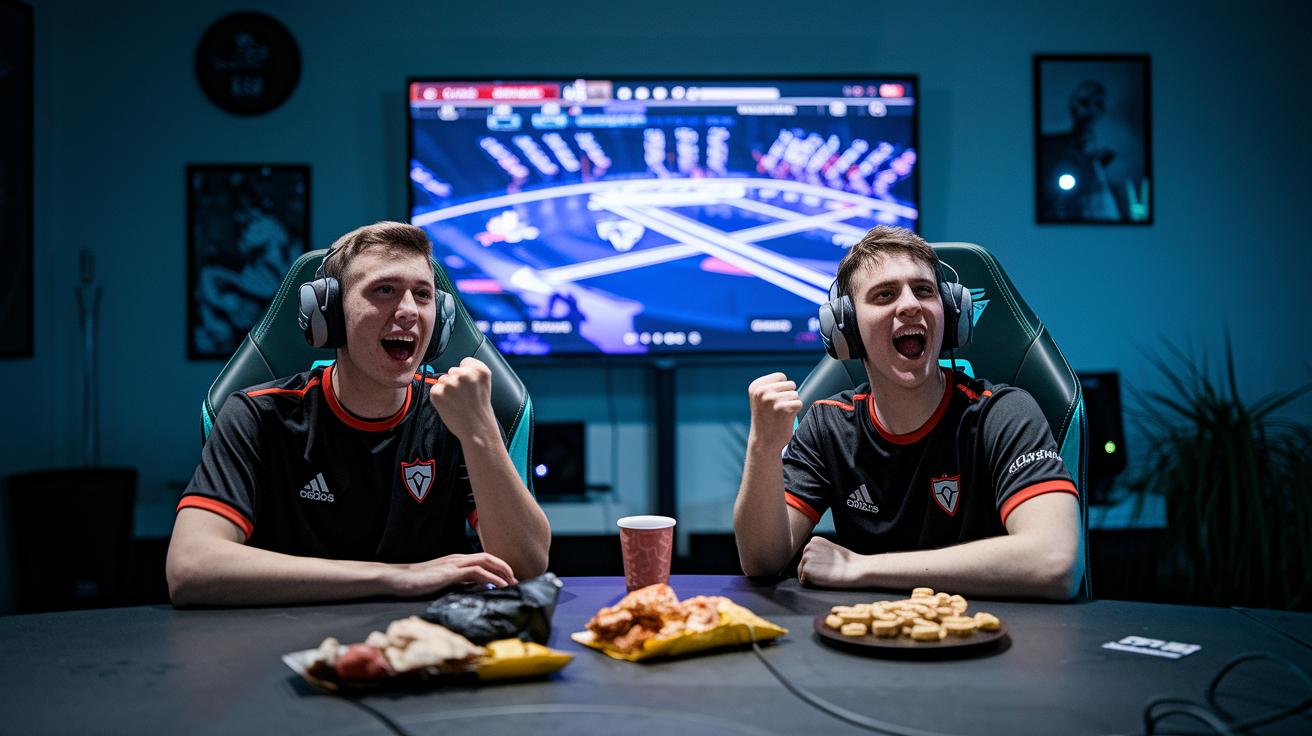
Esports events come in two main types, franchise leagues and open circuits. In franchise leagues, like the NBA 2K League with its 25 NBA-linked teams, you get a steady setup with solid backing from big companies. Open circuits, on the other hand, let anyone try their luck through regional qualifiers. It's a mix that gives a fair chance to long-time giants and fresh talent alike, much like traditional sports.
Leagues and Associations
In franchise leagues, there’s a clear structure in place. Teams share revenue and follow standard rules set by governing bodies, making everything run smoothly. Meanwhile, open leagues run qualification rounds so only the best players make it to the final stages. These two systems blend stability with opportunity, keeping competition exciting and balanced.
Teams and Organizations
Many esports teams are backed by big corporations, which means they can dabble in multiple games, sometimes up to 24 titles. This approach not only spreads out financial risks but also opens the door for more revenue from sponsors, merchandise, and close fan interactions. Team managers work hard on keeping both the in-game performance and the business side sharp, creating a blend that resonates well with the gaming community.
Tournament Formats
Tournament setups in esports are as varied as your favorite game modes. Open qualifiers give grassroots players a chance to shine on the international stage, while invitational events bring in the cream of the crop to compete for major prizes. Regular seasons and championship rounds pack a punch of excitement, much like the thrilling finish of a tight sports season.
Streaming and Broadcasting in Esports
Streaming has totally changed the game for esports fans. Instead of watching old-school TV broadcasts, many of us now tune in through digital platforms where every match feels live and intense. Just think about it, back in 2017, one huge streaming service logged 15 million daily visitors and a staggering 355 billion minutes of watch time.
At the League of Legends World Championship 2023, things got even crazier. More than 6 million people watched online while 18,000 fans packed the arenas. That kind of support shows just how much live play-by-play and ultra-fast streaming can grab your attention. Streamers dive into each match, breaking down every move, and their real-time insights mixed with that raw live energy really fire up the crowd.
Interactivity has become a game changer too. Platforms now let you jump into live chats and enjoy back-and-forth banter from commentators, making it feel like you’re right there in the middle of the action. This kind of setup boosts your excitement, pulling you closer into every play and sparking chats with fellow fans, almost like you’re sitting shoulder-to-shoulder with your favorite streamer.
The Economics of Esports: Revenue, Sponsorships, and Prize Pools
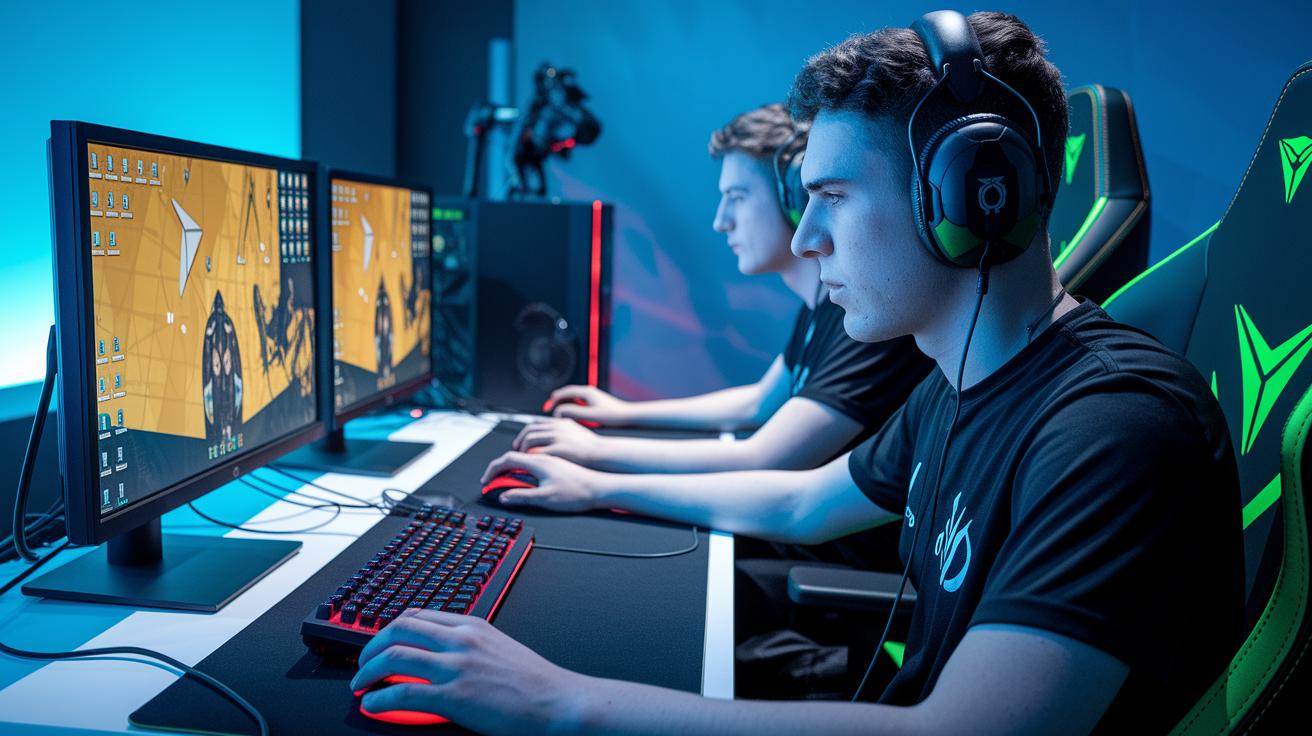
Esports is booming right now. Experts say global revenue will hit $4.3 billion in 2024 and could climb to $5.7 billion by 2028. In the U.S. alone, revenue is expected to be around $1.07 billion this year. These numbers show that more fans and new events are fueling huge growth in the industry.
| Metric | Value |
|---|---|
| 2024 Global Revenue | $4.3 billion |
| 2028 Global Forecast | $5.7 billion |
| 2024 U.S. Market | $1.07 billion |
Sponsorships and prize pools are shaking up the scene. Big events now have prize pools that really push the limits. For example, tournaments like Dota 2’s The International can offer over $40 million in prizes. And then there’s the Fortnite World Cup, where one player won $3 million, even though only a few competitors made it big. Ever felt the thrill watching a live tournament? It’s no wonder that brands are eager to jump in and sponsor events that reach so many passionate fans. This boost in money and backing helps make esports one of the most exciting and profitable parts of the entertainment world.
Career Paths and Professional Development in Esports
Esports is drawing in a huge mix of gamers, casual players, hardcore fans, and everyone in between. With most teens diving into video games every day, it’s hard to ignore the thrill of big, organized tournaments. Ever felt that excitement? For many, this could be the stepping stone to a dream career in gaming.
Pro players aren’t just lucky, they grind hard. They spend hours tweaking their skills with intense practice, technical coaching (like guidance on fine-tuning your fps [frames per second]), and deep dives into their gameplay to cut down reaction times by just a few milliseconds. Picture this: you’re at your rig with your coach pointing out every tiny decision on the screen, just like nailing that perfect combo in your go-to fighting game. Even a small boost in performance can totally turn the tide in your favor.
And it isn’t just about playing. Esports is opening up loads of cool behind-the-scenes careers. Gamers are becoming casters, analysts, or coaches, shifting from racking up scores to breaking down stats and helping teams win. Colleges and special training programs are now paving the way with clear steps and resources for anyone wanting to build a career in this buzzing industry. Whether you’re on stage or off, there’s a spot for your passion in the evolving world of esports.
Final Words
in the action, we broke down what is esports by outlining its basics, from electronic sports essentials and core game genres to team structures and streaming highlights. We also covered its rich history, booming revenue figures, and the many career paths available in competitive play. Each section aimed to sharpen your understanding while offering practical hints to boost your gaming skills. The vibrant scene keeps expanding, giving everyone a chance to level up in play and passion. Keep honing your craft and game on.
FAQ
What is esports in college?
Esports in college refers to organized gaming competitions on campuses, often including varsity and club teams, which compete in tournaments and sometimes offer scholarships.
What are esports tournaments?
Esports tournaments are structured competitions where players or teams face off in video games, following set rules and matchups to win prizes and gain recognition.
What is esports according to Wikipedia?
Esports, as defined on Wikipedia, is organized competitive video gaming where teams or individual players compete in leagues and tournaments, earning cash prizes and building fan followings.
What is esports and how does it work?
Esports works by hosting competitive gaming events where players or teams follow rules, participate in scheduled tournaments, and vie for prizes, mirroring traditional sports’ structure.
Is esports a sport?
Esports is considered a sport by many because it involves competitive play, strategic teamwork, and skillful performance, drawing parallels to traditional athletic competitions.
What is the Esports World Cup?
The Esports World Cup is a major global competition bringing together top gamers for high-stakes matches, significant prize pools, and intense international showdowns.
What are the benefits of esports?
Esports offers benefits such as enhanced teamwork, improved decision-making skills, and the potential for scholarships, along with career opportunities in gaming-related fields.
What are the top 10 esports games?
The top 10 esports games include titles like League of Legends, Dota 2, CS:GO, Overwatch, Fortnite, and others that lead in competitive play, drawing huge viewer bases.
Do esports players get paid?
Esports players get paid through prize winnings, team salaries, sponsorship deals, and streaming revenue, making professional gaming a viable income source.
Which country leads in esports?
South Korea is widely recognized as a leader in esports due to its advanced infrastructure, professional leagues, and consistent international success.
What is the difference between esports and gaming?
Esports focuses on organized competition and professional play with structured tournaments, while gaming can simply be a casual, recreational activity for fun and relaxation.


