
Ever wondered if video game ratings really give you useful insights or just add extra clutter? Think about checking your gear before a big match – ratings prepare you for what’s ahead. Almost half of the games are rated for everyone and about a quarter are set for teens, so these numbers help you pick what fits your style. At Bold Gamer Reviews, we clear out the confusion and explain the rating system in plain language. We break everything down so you know exactly which games will level up your experience.
Overview of Video Game Ratings Metrics
Video game ratings make it simple for players and parents to decide if a game is right for them. It’s like checking your gear before a big match, you see what’s inside and can plan ahead. These ratings cover games in the U.S., Canada, and Mexico, giving you a solid idea of what to expect.
In 2023, the numbers were pretty clear: 47% of games got an E rating (Everyone), and 23% were rated T (Teen). This means nearly half the titles are good for all ages, while a good chunk comes with warnings of a bit more intense content. There are over 30 notes that point out details, from a hint of strong language to moments of intense action. It’s kind of like having a mini map that points out the tricky spots before you dive in.
The whole system runs on a self-check model. Game developers fill in all the details about their game content instead of relying on outside testers. This way, updates can roll out fast and the info stays clear, matching the fast-paced world of gaming.
Behind the Scenes: Video Game Rating Methodologies
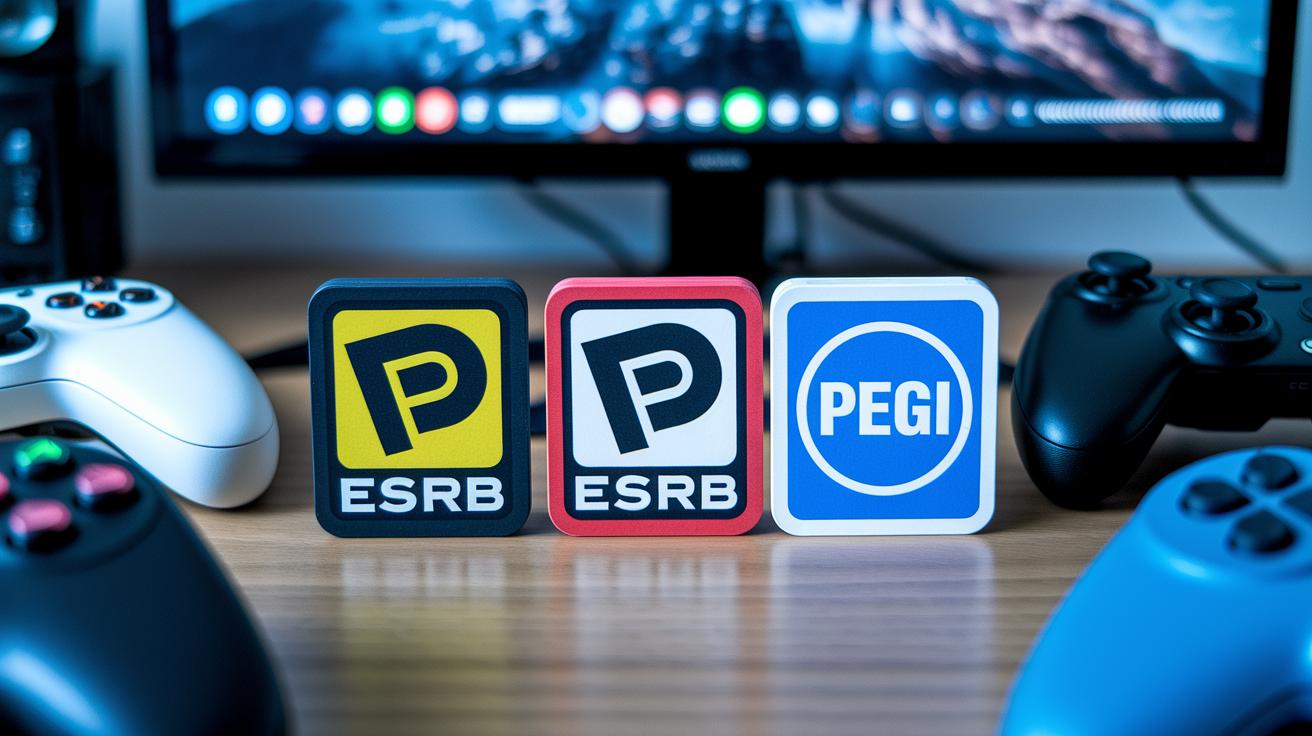
Video game ratings come from a process that feels a bit like planning your loadout before a big match. Game creators send in all the details about their game, kind of like sharing their secret playbook. They follow clear steps: first, they submit the game details; next, they tag the content with descriptors; then, the game is evaluated differently based on whether it's digital or physical; and finally, it gets certified and published.
It’s like setting up your perfect gear before jumping into a match, every element counts and the order matters. The ESRB bases its ratings on what game developers provide instead of using independent testers. They check everything from graphic violence to interactive online features. Even digital downloads get their own tailored review, which helps keep things quick and up-to-date.
Strict protocols ensure that every game is measured in the same way. This approach is a lot like using a trusted guide in your favorite game, where every step is laid out to keep your gameplay strong. Whether you're downloading a new game or unwrapping a fresh physical copy, you can trust that the rating information is reliable every time.
Regional Video Game Rating Systems: ESRB vs PEGI
Different parts of the world use their own game rating systems to fit local cultures and rules. In North America, the ESRB breaks it down with labels like E (Everyone), T (Teen), and M (Mature) so you know what you’re getting before you jump in. Over in Europe, PEGI sorts games by age groups like 3, 7, 12, 16, and 18, making it clear what’s right for you. Even though both systems use icons to point out game content, they’re built with different regional norms and laws in mind.
ESRB Rating System
The ESRB works by having game developers detail all the content of a game, kind of like sharing your game plan before a boss fight. They use over 30 simple tags to let you know if a game has stuff like strong language, violence, or mature content. And it’s not just about the game itself, interactive features are flagged too, such as chatting with strangers or sharing location data, which is a big help when you’re trying to decide if a game fits your needs. This self-check process keeps everything up-to-date, so parents and players can quickly see if a game is a good match.
PEGI Rating System
PEGI takes a different route by covering 38 European markets with clear age cut-offs. They use simple age groups so that you can instantly tell what is safe or exciting for you to play. The icons are straightforward, and local officials make sure they follow the consumer protection rules set in Europe. This means that European gamers get ratings designed to match their local expectations for content and online safety.
When you compare the two, the main differences are about who makes the call and how the labels work. The ESRB lets developers fill in the details and warns about interactive features, while PEGI sticks to fixed age categories and simple icons, perfectly suited for a European player base.
Impact Analysis: Sales Trends and Rating Influence

Back in 2010, data showed that five out of the top ten best-selling games were M-rated with lots of intense action. Imagine flipping the norm, M-rated games hit the charts so hard that they rewrote expectations for what gamers were ready to buy. It was a real game-changer that got everyone talking.
A study by Carnagey and Anderson in 2004 found that playing violent games might bump up aggressive behavior. They compared it to grabbing a power-up that suddenly shifts the pace of your game, making you wonder if those vivid, intense visuals were changing the way players thought.
These trends are pushing developers to rethink how they approach game content so it stays exciting without crossing safety lines. Meanwhile, gamers depend on ratings as a kind of cheat code to decide which games to pick up, steering the market in a whole new direction.
Interactive Content and Safety Labels in Video Game Ratings
Interactive Elements icons are like quick warnings for safety issues that could pop up while you’re gaming. They let you know when there might be online features that could risk your privacy or lead to surprise charges. Think of these icons as friendly alerts for both players and parents, much like spotting a bright signal during a fast-paced match.
There are three main warnings you should know about. The first one is all about staying cautious when talking to unknown players. The second one warns you about hidden in-game costs that might sneak up on you. And the third one flags any requests for your location data, reminding you to keep your personal info safe. For example, a game might flash an icon saying, "Caution: online chat may include strangers," giving you a heads-up before you engage.
Sometimes, these warnings come with labels like "Mild" to soften the alert. A "Mild" tag means the issue, like a bit of rough language or an occasional online chat, is not something to worry too much about. This little detail helps players and parents understand what to expect and know which alerts are more important. It’s all about keeping the game fun while making sure you’re playing smart and safe.
Parental Advisory and Control Best Practices for Video Game Ratings

Parents need to check game ratings because these labels act like a game guide balancing fun and safety. Think of checking ESRB ratings as sizing up your stats before a boss fight. This quick move helps spot any content that might be too heavy for young players, like rough language or intense interactions in the game. Here are some simple tips:
- Look up the ESRB category and any content tags
- Activate parental controls on your console or PC
- Keep an eye on playtime and chat activity
- Check content details, such as violence or language
- Use security tools like Norton 360 for Gamers
Combining these rating checks with smart tech moves gives you full control, much like updating your loadout before a crucial match. Many consoles have built-in parental controls that work great with game ratings, offering two layers of protection. Norton 360 for Gamers not only guards your devices from online threats but also helps keep an eye on kids’ online interactions. With these steps, parents can enjoy the game without constantly worrying about unexpected surprises, making gaming both safe and fun for everyone.
Utilizing Video Game Ratings: Consumer and Expert Resources
When you're picking out a new game, the official ESRB listings are a smart first stop. They break down a game’s content in a clear, simple way, kind of like checking your gear before a big match. Then there are community-driven ratings that mix in real-time feedback from gamers and critics. It’s like having both the game manual and live commentary from your crew as you plan your next move.
Some cool dashboards step it up a notch. They let you filter ratings by age group, genre, and overall score, making it easy to find the perfect match for your play style or family. These platforms often blend expert reviews with user scores for a balanced view, whether you're ready for a new adventure or want to keep it family-friendly. Think of them as a high-score leaderboard, always giving you the latest stats.
Here’s a quick rundown of where you can check:
- Official ESRB website
- Metacritic (that mixes both critic and user scores)
- OpenCritic (which uses a weighted average for ratings)
- undisputed video game reviews
Each of these resources has its own edge. For example, the ESRB site is your go-to for official ratings, while Metacritic and OpenCritic offer aggregate scores that give a broader picture. And undisputed video game reviews keeps the info flowing from pros and everyday players alike. Together, these tools work like a well-coordinated squad, giving you all the info you need to choose the game that’s right for you.
Final Words
In the action, the post broke down how video game ratings shape our gaming world. We covered key metrics and compared systems that help score game content. Instead of overwhelming details, it explained how content labels guide choices for safe play and better parental controls. The guide also pointed gamers to trusted resources and hands-on tools, keeping gameplay crisp and informed. Keep the energy high and continue leveling up using solid video game ratings to sharpen your gaming experience.
FAQ
Video game ratings chart
The video game ratings chart provides a summary of age categories and content warnings, helping gamers and parents quickly check which games suit their tastes and safety needs.
Video game ratings reddit
The video game ratings on Reddit refer to community discussions where players share insights about game content and appropriateness, offering real-life perspectives beyond official ratings.
Game age rating
The game age rating explains the designated age groups for a game, assisting players and families in choosing titles that match maturity and content expectations.
Video game ratings for parents
The video game ratings for parents offer clear guidelines on content details, helping caregivers decide which games are safe and appropriate for their children.
ESRB ratings
The ESRB ratings break down game content into categories like E (Everyone) and T (Teen), providing an easy way to understand the suitability of game content for different ages.
Game rating website
The game rating website gathers scores and reviews from critics and gamers, delivering a quick snapshot of a game’s overall quality and content suitability.
ESRB rating chart
The ESRB rating chart maps out each rating label along with content descriptors, acting as a handy reference guide for assessing game content at a glance.
Metacritic
The Metacritic platform aggregates review scores from both critics and users, offering a balanced overall rating that helps gamers decide whether a game meets their expectations.
Is there a rating system for video games?
The rating system for video games exists through organizations like the ESRB and PEGI, which set content and age guidelines to help buyers choose games wisely.
Which game is no. 1 in the world?
The game recognized as number one in the world often changes due to shifting sales, reviews, and player popularity, so current leaderboards and official charts are your best bet.
What is the 7 rating on video games?
The 7 rating on video games indicates content suited for players aged 7 and above, generally highlighting mild-risk content and less intense themes, though descriptors provide extra detail.
What is the best video game rating service?
The best video game rating service depends on your priorities; many rely on the ESRB for official content ratings while Metacritic offers a rounded view with expert and user reviews.


