
Ever wonder if the game engines you play on today are laying the groundwork for a future beyond your wildest in-game dreams? Lately, headlines have been buzzing with updates that hint at big changes down the road.
We’re seeing rival open-source frameworks and GPU-powered physics modules (GPUs help speed up game visuals) that have everyone talking. Whether you’re an indie developer or part of a major studio, our look at these trends shows how everything is starting to come together. So, ready to see how these new shifts might change the way you play?
Game Engine Innovation Headlines and Market Highlights
On October 10, 2024, a new report dropped some major numbers, predicting that the games industry will jump to $124 billion in revenue by 2025. This bold forecast kicks off a new era of rapid development and cool upgrades in game tech.
The report goes beyond just engine development. It shines a light on tech providers and support systems working together like a tight squad, proving that innovation is truly a team effort across many market areas.
A survey of 380 game developers from indie teams to AAA studios revealed fresh insights on current trends and challenges. Liam, our lead analyst, dug deep into the B2B value chain and showed how connected workflows and ever-changing tech are powering the future of engine development.
• New open-source engine frameworks launched
• Record-high adoption of version control platforms
• Cross-industry use in automotive and media
• Launch of GPU-accelerated physics modules (GPUs are graphics cards that speed up game visuals)
• Introduction of modular pipeline toolsets
These updates mark a clear shift toward an engine revolution that's both game-changing and forward-thinking. By highlighting emerging trends and hands-on examples, the report gives us a sneak peek into how steady tech upgrades and bold product evolutions are setting fresh standards for speed and performance in game development.
Development Pipeline Evolution in Game Engine Innovation
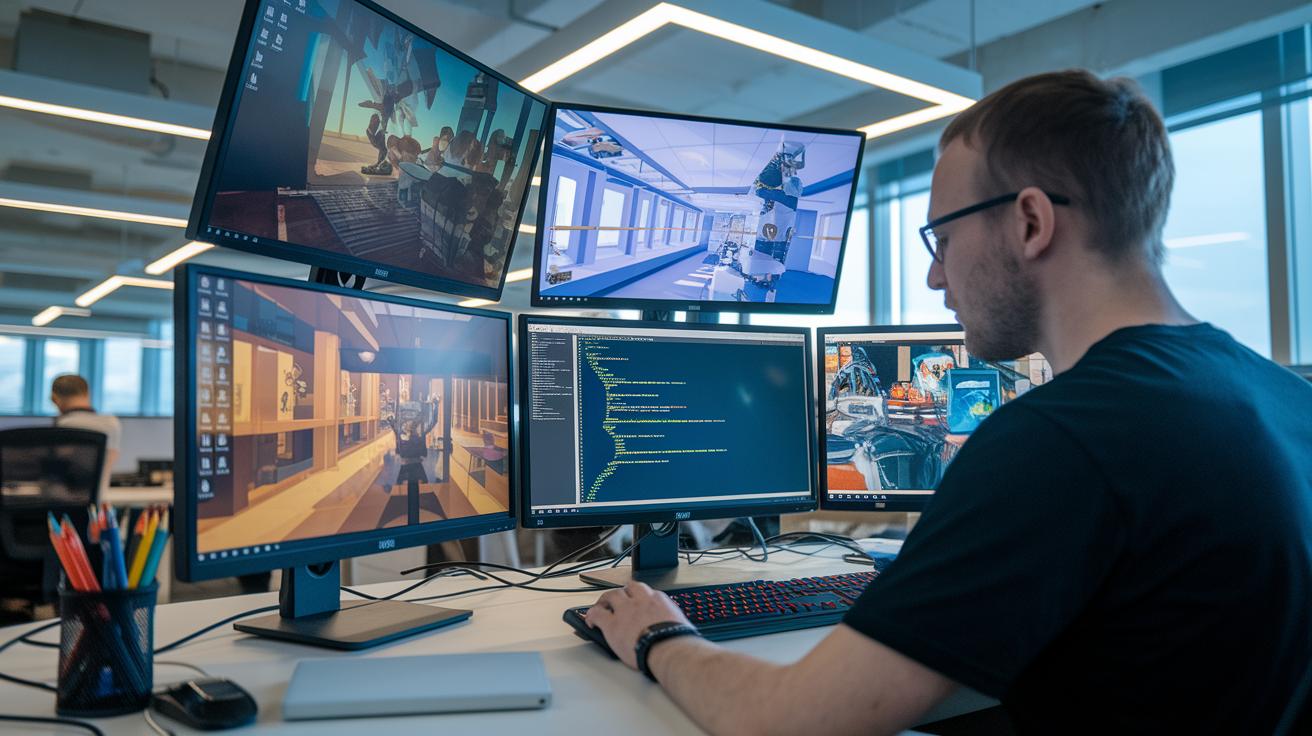
Hey, did you know nearly 70% of dev teams and studios rely on version control systems to keep their files and assets in check? It’s like having a trusty loadout before a big match. And check this out: Perforce P4 is the go-to choice for a ton of folks. Over half the game devs, teachers, and media pros swear by it. It shows they’re all about keeping things organized and running smoothly.
Engine teams are now adding nonstop quality checks into their pipelines. They make sure every update is as solid as your favorite winning play. With embedded system design and secure platform automation joining the party, bugs get squashed and performance levels jump up. This means less downtime and more game-time during those critical test cycles.
On top of that, teams are constantly upgrading their toolchains and pushing rigorous beta tests. They’re always working to refine their workflows and speed up development. It’s like continuously fine-tuning your setup to get that unbeatable frame rate.
Performance Optimization Techniques in Game Engine Innovation
Engine developers are feeling the heat to deliver smoother performance and quicker reactions. The latest backend upgrades aren’t just about cranking up frame rates, they’re all about laying a strong foundation for marathon gaming sessions. Recent updates show that simple code tweaks and leveraging GPU acceleration (boosting graphics processing speed) are key to meeting the demands of gamers, much like nailing the perfect run on a finely tuned level.
Modern engine designs are getting a fresh, modular makeover. By chopping up tasks into bite-sized, efficient chunks, devs can spread the workload across multiple processor cores without one task taking over the system. This strategy helps processes like rendering and physics run side-by-side with ease, cutting down load times and keeping gameplay fluid. It’s kind of like making sure every component is prepped and ready before a big match, so the game stays smooth and leaving lag in the dust.
| Optimization Technique |
|---|
| Asynchronous asset streaming |
| Adaptive level-of-detail systems |
| Data-oriented design patterns |
| Shader compilation caching |
| Thread-pool task scheduling |
| Just-in-time runtime optimizations |
These techniques together are sparking a real game engine revolution, boosting performance and taking the overall gaming experience to the next level. Ever felt that thrill when everything runs just right? That’s the magic of smart optimization in action.
Real-Time Rendering Enhancements in Engine Innovation

Imagine your game world lighting up like a boss fight. New pipelines are breaking limits, letting developers bring real-life light and materials into virtual settings. It’s like tweaking your monitor’s brightness to reveal hidden secrets.
Game artists are also rocking dynamic textures and new shader tricks (simple programs that control graphics). They layer visuals that change as the scene shifts, think of a wall that goes from smooth to scratchy as you explore a new area.
And it’s not just games. People in industries like aerospace and finance are borrowing these ideas to handle powerful computer graphics, pushing visual quality to new heights. This cross-industry teamwork is sparking upgrades that make every scene and simulation feel even more immersive.
Cross-Platform Design Strategies and Open-Source Trends in Engine Innovation
Community-led engine forking and open-source contributions are changing the game when it comes to engine development. Developers are picking strategies that let engines run on PCs, consoles, mobile devices, and even the cloud by using unified APIs (simple coding bridges) that make development faster and smoother. With modern, vendor-neutral toolchains, teams can port their games quickly without having to battle with platform limits. This means they can spend more time curating fun experiences for players instead of wrestling with tech issues.
Even smaller studios are stepping into the spotlight now, thanks to the growing open-source movement. Once, advanced engine features were reserved only for big companies, but today, anyone can tap into these tools. It’s like unlocking a secret level that boosts creativity across all types of devices and encourages a vibe of shared progress among developers.
| Engine | License Model | Key Features |
|---|---|---|
| Unity Engine | Proprietary/free tiers | C# scripting, extensive asset store |
| Unreal Engine | Royalty-based | Blueprints, high-end rendering |
| Godot | MIT open-source | GDScript, lightweight footprint |
| Amazon Lumberyard | Proprietary | Cloud integration, Twitch SDK |
These top platforms show how community-driven, cross-platform design is fusing indie spirit with big business vision. Developers enjoy smoother system integration, kind of like nailing a tricky combo in your favorite game, and can iterate quickly thanks to modern toolchains that scale as projects grow. The constant idea-sharing in open-source communities makes production faster and more efficient, much like swapping pro tips during a heated match.
By mixing flexible design with a strong open-source attitude, today’s engines not only meet the needs of interactive entertainment but also pave the way for future tech breakthroughs. This cool combination drives progress on both the creative and technical sides, setting fresh benchmarks and ensuring every project is ready to face ever-changing market demands.
Market Dynamics and Industry Impact of Game Engine Innovation

You know, third-party middleware and cloud services are like secret power-ups for game engines. They make things run smoother by handling heavy data and tough simulations, much like how a good upgrade makes your gear more effective. These tools plug right into the engine, giving it a little boost so developers can try out new ideas quickly and run games on different systems.
Big studios are now investing big bucks to create their own engines, pushing for even more advanced and cool features. Liam’s research shows that middleware, hardware, and software are all working together in a tight squad. This teamwork not only sharpens game features but also expands tech investments, sparking breakthroughs in graphics and gameplay that we all love.
| Key Trend |
|---|
| Increased funding for AI-driven toolsets |
| Growth of cloud-native rendering services |
| Expansion of middleware ecosystems |
| Vendor consolidation in engine platforms |
Future of Game Engine Innovation: Expert Analysis and Projections
Looking ahead, experts are buzzing about some major changes coming to game engine tech. New ideas like cool virtual reality setups and smart AI tools for creating game assets are set to change the way we play. At the same time, tighter security and quick update routines are making engines more flexible and safer.
Virtual Reality and Immersive Interfaces
One expert put it simply: "Virtual reality is not just about flashy visuals, it’s about creating deep experiences that pull you right into the game." This means game engines are starting to build worlds that let you feel like you're actually living in them, not just playing on the surface.
AI-Driven Pipeline Automation
Another insider mentioned how smart AI is now stepping up to handle asset creation. By letting AI generate realistic game elements, developers can save time on repetitive tasks and focus more on creative ideas. This shift makes the whole production line smoother and bumps up the quality of the final game.
Security and Agile Update Frameworks
On the security front, there's a big push for engines that update quickly and keep your data safe. One specialist explained, "Strong security paired with fast updates helps engines adapt to new challenges and keep gameplay running smoothly." This approach is key to making sure game systems stay reliable even as they evolve.
All in all, these insights are drawing up a clear roadmap for the future of game tech. Bringing together immersive VR, AI-powered tools, and secure, agile updates is set to raise the bar for gaming experiences across the board.
Final Words
In the action, the blog post zipped through key updates, from revenue forecasts and developer surveys to breakthroughs in performance tweaks, rendering, and cross-platform trends. Each section unpacked exciting figures and fresh insights that keep the pulse on today’s tech shifts.
Throughout the read, you caught game engine innovation: latest headlines and analysis, setting the stage for smarter play and renewed creativity. The outlook remains bright, fueling relentless passion for continuous upgrades and epic experiences.
FAQ
What are the latest game developer and industry news trends?
The game developer and industry news spotlight updates on engine innovation, market forecasts, and tech breakthroughs that are reshaping development pipelines and driving revenue growth for the overall gaming ecosystem.
How do game developer companies drive innovation in game development?
Game developer companies drive innovation through advanced engine upgrades, modern toolchains, and integrated workflows that boost production efficiency for studios ranging from indie to AAA.
What topics does Game Developer magazine cover?
Game Developer magazine covers tech trends, performance optimization, engine enhancements, and market research that inform how studios adapt to emerging development and cross-platform challenges.
How is game development evolving with new technology trends?
Game development is evolving with real-time rendering improvements, GPU acceleration, modular design, and cross-platform strategies that help create smoother experiences on PC, consoles, and mobile.
How do web development news today relate to the games industry biz?
Web development news today interacts with the games industry by highlighting cloud integrations, unified APIs, and middleware advances that support rapid content updates and immersive gaming experiences.


