
Have you ever thought a single tweet could flip the script in gaming? Social media isn’t just old-school forums anymore, it’s become a huge arena where epic wins and brand-new tactics take center stage. Remember when gamers swapped tricks on chat boards? Now, spots like Twitch and YouTube pump life into the gaming world. Our case studies show how these online hubs blend cool stories, eye-popping stats, and live action to change not only how we play but also how we connect. Ready to explore some real examples of this game-changing shift?
Landmark Case Studies: Social Media’s Influence on Game Culture
Online platforms have completely changed the way we experience games. Remember the early days of bulletin board systems? Back then, gamers would jump on simple forums to swap tips and celebrate their wins. Today, YouTube not only holds memories of past battles but also pumps up the hype for new ones. It’s like comparing an old-school text chat to today's high-energy streaming. Ever think about how far we’ve come?
Influencer marketing and social ads are now the real MVPs when it comes to grabbing the attention of younger players. In 2020, US in-game ads were expected to hit over $3 billion. Mobile games made up almost half of that, and rewarded video ads shot up by 400%, keeping players engaged and boosting communities. This shift has turned social media into a powerful engine for both success and stronger bonds among gamers.
Platforms like Twitch, YouTube Gaming, and Facebook Gaming are still killing it with real-time chats and community vibes. Even TikTok is in the game with its AR filters and VR overlays that spark viral challenges, drawing in millions. These key examples show that social media isn’t just a tool for ads; it’s a hotbed for creative fan content and shared online identities.
- Example 1: Those early bulletin board systems set the stage for today's vibrant gaming chats.
- Example 2: YouTube now acts as both a historical archive and the ultimate hype machine.
These case studies prove that digital platforms are at the heart of gaming culture today. Social media has grown into much more than a promotion tool, it’s a cornerstone in how our game world evolves.
Twitch and Fortnite: Streaming’s Role in Shaping Multiplayer Buzz
Fortnite burst onto Twitch and flipped the script on game launches. When big names like Ninja broke records with over 600,000 viewers tuning in, it wasn’t just another game drop, it was a massive event that pulled in millions in real time. Ever felt that rush when a custom emote lights up the screen during your match? That’s the magic of live streaming, turning each moment into shared excitement.
Twitch teams up with platforms like YouTube Gaming and Facebook Gaming to keep gamers locked in. Quick clips and reaction videos, both from creators and fans, kept the hype alive long after the launch. These bursts of gameplay chatter sparked off lively community talks, making every multiplayer session feel as spontaneous as a rapid-fire match chat. This whole scene shows that smart streaming can boost a game’s fame and build a community vibe that keeps us all coming back for more.
Influencer Effect: Minecraft’s Resurgence via Creator Partnerships
PewDiePie's Minecraft videos sparked a massive 55% jump in players back in early 2021. That moment showed how content creators can transform a well-known game into an epic hub of creativity and fun. With YouTube and Twitch in our corner, anyone who loves the game can whip up cool content with just a simple setup.
Remember your first time watching an epic Minecraft build on Twitch? The pure rush of excitement, a hint of chaos, and that genuine vibe coming right through the screen, it all makes you feel like you're part of the action. That's what great influencer content is all about: turning passion into a communal experience.
Brand partnerships on social platforms have also become total game-changers, often outdoing the usual ads aimed at younger players. These collabs not only spark curiosity but also lead to community events that feel real and personal. Imagine an influencer joining forces with a big brand to host an in-game event that fans just can’t stop talking about, just like a surprise loot drop during a nail-biting match.
- A huge surge in players driven by influencer magic
- Basic setups turning into vibrant, creative hubs with minimal gear
- Authentic community events powered by brand collaborations
Creator-led marketing has completely reshaped Minecraft, proving that real connections and interactive content can change the way we play.
Viral Challenges and Meme Culture Driving Game Trends
These viral challenges and memes are turning game launches into instant hits. Remember that TikTok dance challenge synced to a Fall Guys soundtrack? It blew up almost overnight, racking up millions of views in just 48 hours. Ever been scrolling through your feed and suddenly seen players nailing their moves to game beats? It’s like your favorite game scene jumping straight off the screen.
On Discord and Reddit, meme channels helped spark a major surge for Among Us. What started with a modest 67,000 daily players shot up to over a million in just a few weeks. Hashtags like #PlayFallGuys and #AmongUsChallenge pushed downloads up by nearly 20–30% week-over-week, proving that a bit of user-generated magic can change a game’s fortunes in no time.
Social media isn’t just a place for sharing fun clips, it’s a stage for interactive wins. With TikTok filters, memes, and wild challenges, it creates a shared language among gamers. Every game launch turns into a community event, buzzing with creativity and shared excitement.
- Top viral game challenges: Fall Guys dance challenge reached millions in 48 hours
- Hashtag power: #PlayFallGuys and #AmongUsChallenge boosted downloads by 20–30%
- Community growth: Among Us jumped from 67,000 to over 1 million daily users
- Social hubs: Discord and Reddit ignited fresh game popularity
- Meme magic: User-generated memes kept the buzz alive
Esports and Real-Time Feedback: Community Evolution Case Studies
Esports have blown up into a huge scene, with the market expected to hit USD 1.5 billion by 2025. Live-streams, online chats, and community hubs are changing how we game, like when you tweak your loadout before a big match. Developers are always checking Twitter and Reddit polls after new updates, just like making quick in-game adjustments, so player ideas really shape how games evolve.
A 2023 study found that 55% of gamers join online chats, showing that every voice matters. These chats influence game features, event times, and even prize setups, they’re like a team callout during a clutch play. This kind of real-time feedback helps craft updates that feel like the community is playing the role of coach. It’s a cool mix of digital teamwork that makes every update feel fresh and just right for the fans.
Developers now see player feedback as essential for keeping games balanced and fun. They use these quick chats and posts to fix issues, add new features, and keep the excitement high. The way gamers talk and share opinions in real time turns every game update into a community win, a mix of strategy, creativity, and pure player passion.
These case studies prove that fast feedback and social media teamwork can jump-start game improvements better than old-school methods. With thousands of tweets and posts acting as a live heartbeat, developers can constantly fine-tune gameplay. It’s like the community is dropping tips in the middle of a match, sparking cool new ideas and surprise fixes that keep the game fresh and challenging.
Sponsored Campaigns and Viral Trailers: Strategic Rollouts on Social Platforms
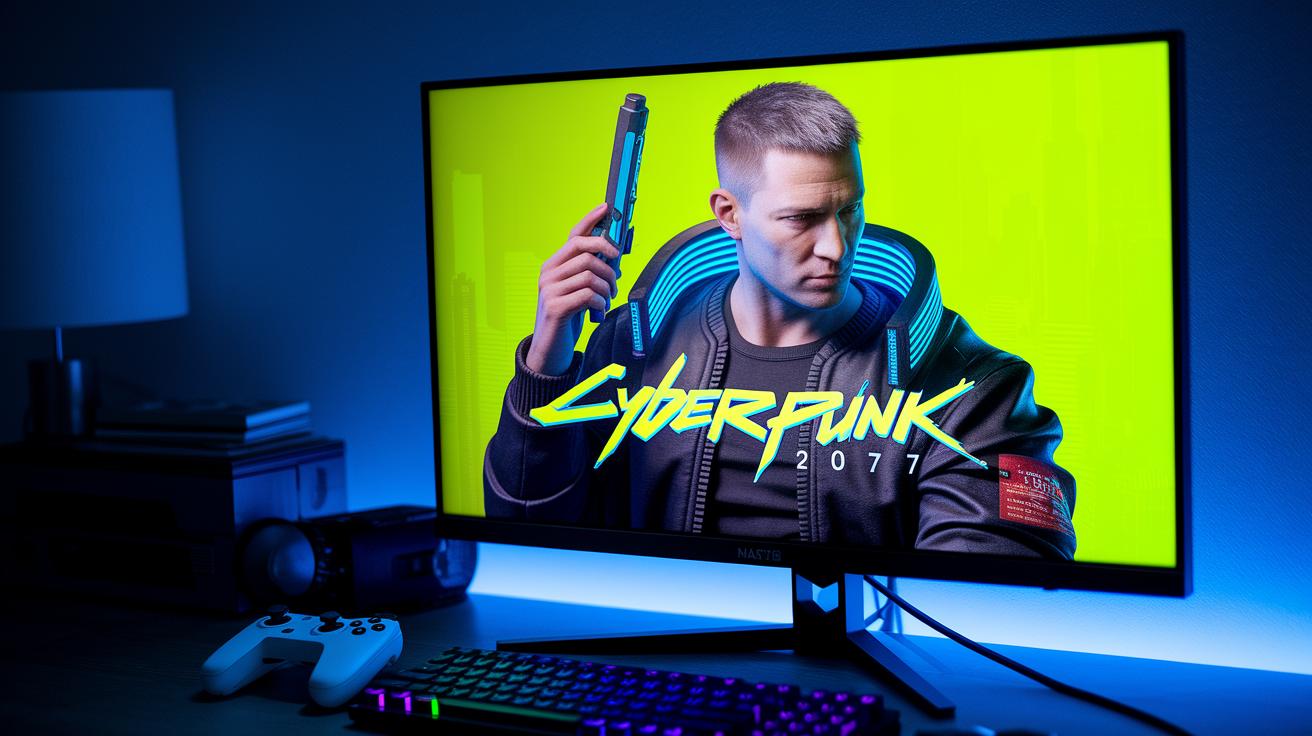
Cyberpunk 2077’s teaser blew everyone's minds, racking up more than 15 million YouTube views in just one day. It shows how a smart social media rollout can spark huge excitement and draw in gamers. It’s not all about cool graphics; it’s about using well-planned, sponsored campaigns that really speak to gamers.
Take Wooga’s June’s Journey for example. They serve up about 2.5 ads to each player every day, but they mix the ads into the gameplay so well that they don't feel annoying. It’s like the ads are a natural part of the game, making sure players stay hooked while the game keeps growing.
Rewarded video ads jumped by 400% in 2020, and this boost came with longer play sessions and a tighter community of fans. When gamers earn rewards for watching ads, it turns a boring break into part of the fun. Marketers are now rethinking how digital channels can boost a game’s visibility and earnings. They’re using social media to extend the in-game experience, sparking more interaction and sales through clever digital ad strategies (https://nerdladder.com?p=338).
These examples show that teaming up sponsored campaigns with viral trailers is a killer strategy that meets gamers right where they are.
Final Words
In the action, we saw how social media platforms like YouTube Gaming, Twitch, and TikTok reshaped game culture through headline case studies. The post highlighted streaming surprises from Fortnite, creator power with Minecraft, viral challenges, and real-time esports feedback. These case studies show that digital channels aren't just for buzz, they drive player engagement and fresh gameplay strategies. Experiment with these insights, keep honing your skills, and enjoy every high-stakes moment as social media keeps fueling our love for gaming.
FAQ
How does the influence of social media on game culture headline case studies in PDF format work?
The influence of social media on game culture is highlighted through PDF case studies that track how platforms drive trends, community engagement, and marketing tactics in the gaming world.
What is the impact of social media on video game communities and the gaming industry?
The impact of social media on game communities and the industry shows up in community growth, faster game updates, and the creation of viral trends that boost player excitement and drive industry changes.
How does social media influence the purchasing decisions of gamers and entertainment consumers?
Social media influences purchasing decisions by showcasing trending games, influencer reviews, and community buzz, which together help gamers and consumers decide what to buy based on trusted peer experiences.
What are the best social media platforms for game developers?
The best social media platforms for game developers are Twitter, YouTube, and Discord, as they offer quick feedback, community building, and easy sharing of game updates and behind-the-scenes content.
Which social media platforms are most popular among gamers?
The social media platforms most popular among gamers include Twitch, YouTube Gaming, and TikTok, since they allow live streaming, sharing clips, and fostering community discussions around game strategies.
How can Google Scholar be used to learn about social media’s effects on gaming?
Google Scholar is a handy tool for finding academic studies and research that break down how social media shapes game culture, player behavior, and marketing trends in the gaming scene.


