
Ever thought it’d be cool to watch a game come together live? Developers these days are shaking up old-school marketing by letting you see it all unfold in real time. Imagine checking out early builds and live demos that turn rough ideas into something you can really get behind.
This new way of doing things not only fires up the buzz but also lets the community jump in with feedback, helping shape the game as it grows. It’s like being on the front lines of a build battle, where every bit of input sparks off new ideas. Get ready to see how these fresh strategies are totally rewriting the rules for indie games.
Key Creative Release Strategies for Indie Game Innovation
Indie developers are swapping old-school marketing for fresh, creative tricks that help their games shine. They mix early access builds, community testing, and smart, data-driven moves to break through the noise. Ever heard that many breakout games got big by letting players try unfinished versions and turning early bugs into cool gameplay features?
Developers are also trying out clever methods like phased releases and live demo events. Dropping early builds lets teams grab real, quick feedback that helps them fine-tune the game. Sharing behind-the-scenes clips on social media shows fans the game’s journey, sparking excitement and connection. They even use smart algorithms to match game teasers with the right audience, driving buzz without needing old-fashioned ads.
These new launch tactics put community vibes front and center. Regular updates based on player feedback keep gamers loyal and spread the word around. Developers test their marketing ideas with small public trials, which then shape bigger campaign moves. By blending early access with live community chats and data-driven strategies, indie teams not only catch players’ attention but also build a story that hits home in a competitive world.
Case Studies of Innovative Indie Game Launches

Søren Lundgaard made waves with Deep Rock Galactic by handing over early builds to gamers before the game was fully polished. Players got an exclusive peek into its cool mechanics and unique worlds, giving feedback that helped turn early rough edges into standout features. It’s like checking out a raw demo that feels unpolished yet thrilling, imagine seeing a work in progress that could one day be legendary.
Tobias Springer's Shapez 2 followed a different path by tapping into an online community to boost its launch. With a price tag of just US$25, the game hit 250,000 sales in under a month. Picture this: every forum thread and social media post adding another spark, building up insane hype. Connecting directly with fans online proved that genuine word-of-mouth can make a huge impact.
Luke Muscat chose to share early prototypes on YouTube and itch.io, letting gamers try out the initial versions and share their thoughts. This hands-on feedback not only polished gameplay but also deepened the bond between the game and its fans. It’s like posting a beta and casually asking, “What do you think?”, a simple move that sparked honest, valuable input.
Jonas Tyroller switched up the game with algorithm-driven campaigns for titles like Islanders and Thronefall. His targeted approach reached the right players and racked up hundreds of thousands of sales. His strategy shows that blending creativity with data can completely reshape the launch game for an indie title.
Building Buzz through Unconventional Indie Game Marketing Methods
Indie game makers are flipping the script on traditional ads by using smart, budget-friendly ways to reach gamers. Instead of splurging on heavy-handed campaigns, many teams are hopping onto TikTok and sharing quick, behind-the-scenes clips or quirky teasers during early development. Ever scrolled through TikTok and caught a glimpse of a game still in the works? It pulls you in like a secret preview of your next favorite title.
But it's not just about TikTok. Developers are carving out their own spaces on platforms like Discord, where they host live feedback sessions and community events. Here, fans chat, toss around ideas, and even vote on what should come next. It’s like joining an exclusive club where every gamer’s voice matters, a real boost for community loyalty.
Even when funds are tight, indie teams are teaming up with influencers who genuinely vibe with their vision. It’s not about big names, but rather niche influencers who really get gaming. Plus, targeted email campaigns keep the hype alive by sending out quick updates and sneak peeks right to your inbox. Picture a short email with a cool teaser image and a nudge saying, “Check out this new level before anyone else!”
Using digital marketing tools gives developers clear, data-driven insights to polish their social messages. This strategy, mixed with live community feedback and creative influencer partnerships, helps indie games build a lasting buzz that goes well beyond the first teaser drop.
Leveraging Early Access and Experimental Indie Game Product Debuts
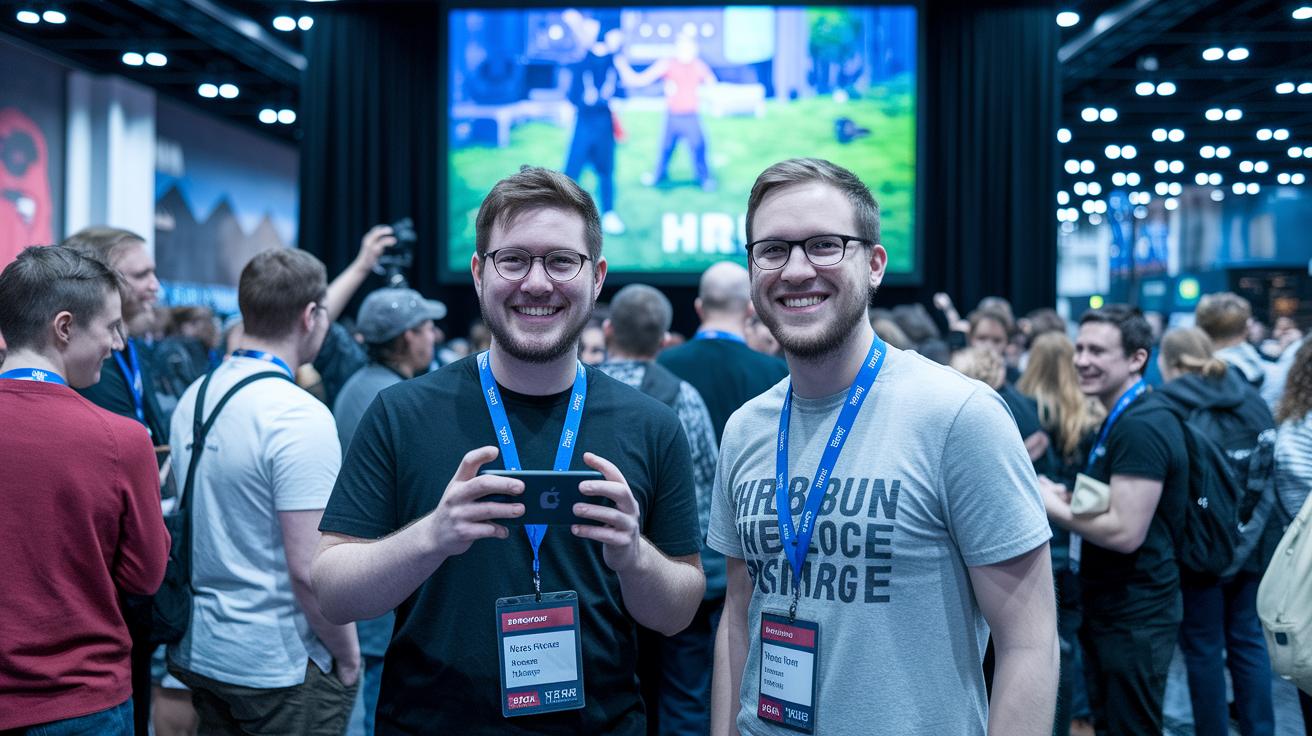
At Tech Week 2024, the SPEEDRUN 003 accelerator Demo Day turned game testing into an electrifying, live event. Indie teams dropped their prototypes on the spot, inviting rapid feedback that let them tweak features on the fly. This hands-on setup had teams honing gameplay as the crowd’s reactions came in thick and fast.
Key elements included live testing with immediate feedback, gameplay tweaks in real time, and a community vibe that sparked fresh ideas.
Imagine watching a live demo: a developer launches a cool new feature, and within minutes, a simple comment triggers a balancing change that completely reshapes the game.
Alternative Distribution Models in Indie Game Release Approaches
Indie developers are finding fresh ways to drop their games without sticking to the typical storefronts. One clever trick they’re using is a web-first rollout, much like what happened with Shapez 2. Instead of waiting for the classic launch date, they let their online community play early versions to build up a buzz. It’s like opening a digital door that lets players shape the game with their feedback. Picture a game debuting on a community forum where every comment makes it better. Cool, right?
Another smart move is using platforms like itch.io for prototype demos. Developers launch early builds and watch the community’s reaction in real time. It’s like hosting a mini beta party where players get a sneak peek and share tips to fine-tune the gameplay, all without a huge marketing spend.
On top of that, smart algorithm placement in digital marketplaces is a total game changer. These algorithms help get your game in front of the right audience fast, boosting exposure in no time. Some teams even partner with digital publishing networks that reach over 50 million professionals across 220 different channels. This resourceful launch plan is like a unique blueprint that draws targeted attention through carefully chosen channels. Imagine releasing not just a game, but an entire digital event that grabs players' eyes right from the start.
Optimizing Timing in Indie Game Innovation with Sequenced Release Plans

Timing is key when it comes to launching an indie game. Indie devs can plan their releases to hit big industry moments and get that extra push. Think about how Shapez 2 exploded onto the scene in under a month, thanks to a smart, focused release plan that got the community buzzing. Dropping a game alongside events like PAX East or Tech Week means extra media spotlight and ready-to-play fans right from the start.
Breaking your game rollout into well-timed stages can boost its visibility even more. Look at Jonas Tyroller’s releases, he schedules updates when fan activity peaks, making each new feature a mini event that grabs attention. By lining up your updates with the moments when players are most active, every release becomes a chance to shine. With a well-planned timeline and dynamic scheduling, even a simple game drop transforms into an exciting event that builds momentum, keeping your community engaged every step of the way.
Final Words
In the action, we broke down key strategies indie developers are using to shake up game launches. We looked at creative rollouts like early access, YouTube prototypes, and social buzz that lights up communities. Real examples showed surprising sales and audience growth. We also checked out alternative platforms and sequenced timing to hit the market right. These insights highlight how indie game innovation: exploring creative release strategies can help teams stand out and win big. Stay driven and keep pushing your game to new heights.
FAQ
What are key creative release strategies for indie games?
The key creative release strategies for indie games include blending early access, community engagement, and algorithm-driven tactics that help titles stand out in a crowded market while offering fresh, innovative launch approaches.
What insights do case studies offer about innovative indie game launches?
The case studies reveal that indie developers can drive sales and foster vibrant communities by using early access, YouTube prototypes, and algorithm-powered campaigns, demonstrating the real impact of creative release tactics.
How can unconventional marketing methods build buzz for indie games?
Unconventional marketing methods like TikTok clips, Discord events, targeted email campaigns, and selective influencer partnerships create pre-launch excitement and help indie games connect deeply with enthusiastic communities.
How does launching with early access and experimental demos benefit indie games?
Launching with early access and experimental demos allows developers to gather valuable player feedback, refine gameplay elements, and create a committed audience that supports smoother full releases.
How do alternative distribution models impact indie game releases?
Alternative distribution models, such as web-based rollouts and prototype demos on platforms like itch.io, offer indie developers inventive market entry routes that reduce costs and expand exposure to digital communities.
How can optimized timing and sequenced release plans improve indie game launches?
Optimized timing and sequenced release plans help indie games capture attention by aligning launches with industry events and digital peaks, driving quick sales and maximizing overall visibility.


