
Have you ever wondered if your monitor could level up your game in unexpected ways? Curved screens are changing the way we play, drawing you in with a design that feels like a real-life immersive world. Reviews tell us these screens aren’t just about cool curves, they pack fast refresh rates and sharp visuals that are gentle on your eyes during long gaming marathons.
In this post, we chat about how top models like the LG UltraGear and Samsung Odyssey can really boost your play. Imagine every match feeling like a boss fight where everything clicks perfectly. Ever felt that rush just before a big win? You're in for a treat.
Expert Overview of Curved Gaming Monitor Reviews
Experts dug deep into curved gaming monitors, checking out everything from performance stats to design details and how immersive the experience feels. Gamers are buzzing about top picks like the LG UltraGear 45GR95QE-B (a 45-inch OLED ultrawide), the Samsung Odyssey G7 (a 32-inch VA with local dimming and a 240 Hz refresh rate), the BenQ EX3203R (a 31.5-inch VA running at 144 Hz), and the Alienware AW3423DWF (a 34-inch OLED ultrawide). These screens hit peak refresh rates between 240 and 280 Hz and boast curves from 800R to 1800R. Fun fact: curved monitors not only boost immersion but also help cut down on eye strain during long sessions.
Experts stress that solid tech reviews focused on arc visuals and smart panel designs are key when sizing up these displays. They agree that no matter your budget, you can grab top-tier performance, making these picks a smart move for any gamer.
| Model | Panel Type | Key Specs | Expert Score |
|---|---|---|---|
| LG UltraGear 45GR95QE-B | OLED Ultrawide | 45", Premium OLED, Immersive | 9.5 |
| Samsung Odyssey G7 | 32" VA | 240 Hz, HDR, QD Tech | 9.0 |
| BenQ EX3203R | 31.5" VA | 144 Hz, Budget-friendly | 8.5 |
| Alienware AW3423DWF | OLED Ultrawide | 34", Crisp Display, High Contrast | 9.2 |
Industry experts agree that these monitors shine thanks to fast refresh rates, precise panel tech, and the added edge of a curved display. They blend high-end performance with everyday practicality, perfect for both competitive gaming battles and laid-back sessions.
Performance Benchmarks in Curved Gaming Monitor Reviews
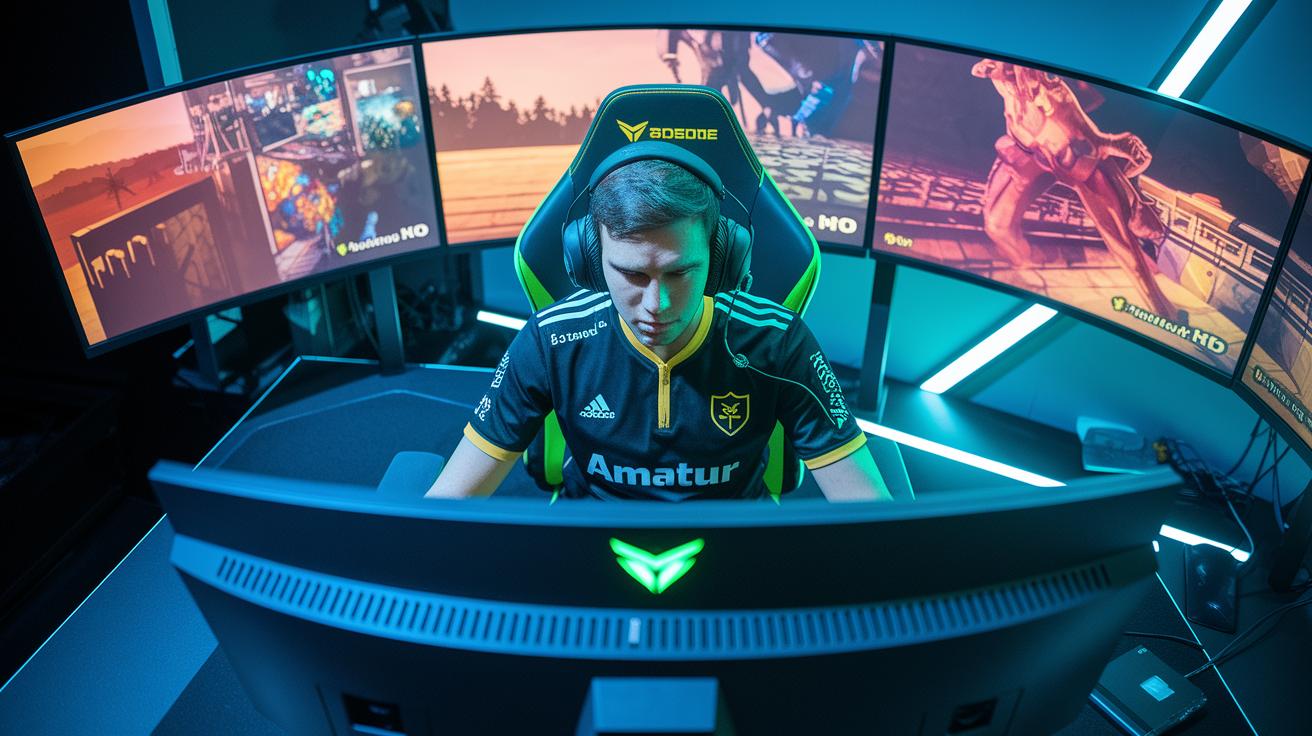
When we dive into refresh rate tests, experts push monitors like the Samsung Odyssey Neo G8 right to the edge. This 32-inch VA display with Mini LED tech cranks up to 280 Hz and packs in 1,196 dimming zones for a solid 25,000:1 contrast ratio. Testing is all about real gameplay, where lightning-fast frame changes demand an equally quick response. Imagine timing how fast your screen adapts during unexpected scene shifts, kind of like nailing a perfect combo in your favorite fighting game. These numbers give you a clear idea if your monitor can keep the pace during intense, lag-free action.
Next up, response times and resolution performance really shine with QD-OLED panels. These panels light up pixel by pixel and boast sub-1 ms response times, cutting down on ghosting and motion blur, which is a must for any competitive setup. At the same time, checking the resolution ensures every pixel is as sharp as can be. Take the Dell S2422HG for example, its 23.6-inch screen with a 144 Hz refresh shows off great contrast, though its overdrive speed sometimes struggles like a slight delay in a split-second strategy maneuver.
Then there’s the impact of the screen’s curve on your gaming experience. Curved displays usually come in anywhere from a relaxed 4000R to a tighter 1500R. The more pronounced the curve, the more it pulls you in, almost as if you’re part of an epic battle scene unfolding right before your eyes. This curve tweak seriously affects how colors and light blend, giving you that immersive, panoramic view every gamer loves.
Image Quality and Immersion on Curved Gaming Monitors
The Philips Evnia 34M2C8600 really impresses with its razor-sharp images and true-to-life colors right out of the box. Its 34″ QD-OLED panel, hitting a crisp 3440×1440 resolution with a speedy 175 Hz refresh rate, makes every detail pop. Plus, the 1800R curve adds fresh edge contrast that really makes the colors stand out. On the flip side, the Samsung Odyssey G9 brings a massive 49″ QD-OLED display to the table, serving up an explosion of colors and deep, rich blacks. OLED panels give you that per-pixel contrast VA displays just can’t match, so every game scene, every shadow and light burst, feels as real as if you were inside the game.
The curved design amps up the immersion even more, drawing your eyes into a wide, panoramic view that feels natural. It wraps around your line of sight, much like a good headset isolates the game sounds. This wrap-around effect creates a sense of depth that makes every game feel more engaging and full of life. Gamers not only get crystal-clear visuals but also a dynamic, all-encompassing environment that turns every match into an unforgettable experience.
Ergonomics and Setup Efficiency for Curved Gaming Monitors
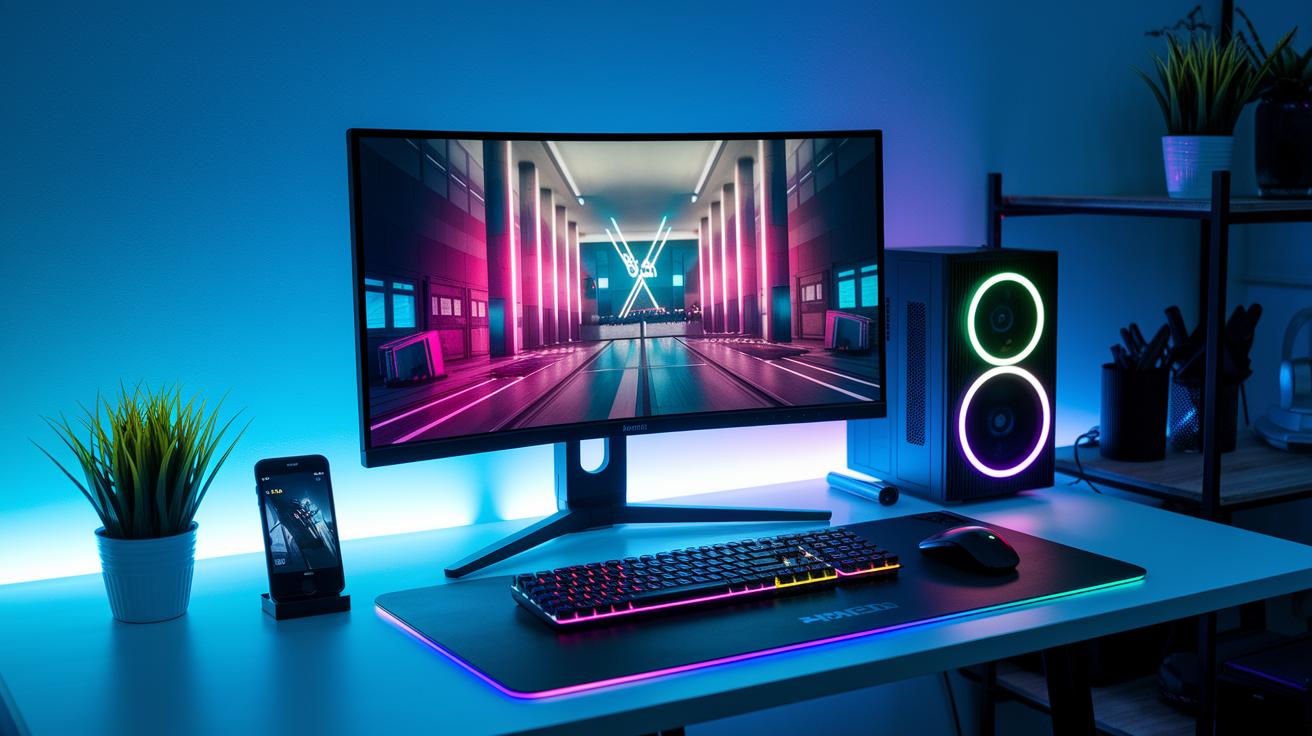
The curve of your screen, its size, and the shape (aspect ratio) all play a big role in keeping you comfy during long gaming marathons. You might see a slight curve like the 800R found on the Corsair Xeneon Flex’s OLED, or a more intense 1800R curve on the Philips Evnia 34M2C8600. Smaller monitors, like the 23.6-inch Dell S2422HG, are perfect for tight desks, while huge displays such as the 57-inch Samsung Odyssey Neo G9 need plenty of space. Picking the right shape can help ease your eyes and pull you right into the action; many gamers say a well-chosen curve even blocks out side distractions.
Adjustable stands and mounts ramp up your setup game, making your play space super efficient. Most modern displays let you change the height, tilt, or swivel (angle adjustments) so you can hit that perfect view. This means whether you're gearing up for an intense esports match or just chilling with some everyday work, you can quickly tweak your setup. In short, smart monitor designs help you keep your desk neat while making sure your gaming vibe stays comfortable and inviting.
Pricing Tiers and Value in Curved Gaming Monitor Reviews
If you're looking to game without emptying your wallet, budget and mid-range monitors are a smart pick. The Dell S2422HG rolls in with a 23.6″ screen and costs under $200, making it a neat option with good contrast and reliable performance for everyday gaming. Meanwhile, the AOC C27G4ZXE, priced between $200 and $300, nails the clear 1080p resolution for gamers who need a solid balance between cost and visual quality.
Moving up a bit, the BenQ EX3203R in the $300 to $400 zone brings a smooth 144 Hz refresh rate that really shines during fast-paced battles. And if you want to invest in a top-tier experience, the Samsung Odyssey G7 starts around $500 and comes loaded with features like local dimming and HDR that light up your gameplay. Sure, these models might have a few quirks, like a slightly lower peak brightness or fewer advanced sync options, but they still offer great value for both casual and competitive setups.
For gamers ready to spend more for that extra oomph, the LG UltraGear 45GR95QE-B and Corsair Xeneon Flex are real game-changers. The LG UltraGear 45GR95QE-B, even though it comes in at over $1,000, boasts an immersive OLED display along with top-notch gaming features that can really transform your match experience. Over at around $1,500, the Corsair Xeneon Flex mixes things up with its uniquely adjustable curve, giving you flexibility even if its pixel density is just average. Experts say that despite the higher price tag, the durability and immersive performance of these premium monitors make them a sound long-term investment.
Durability, Reliability, and Expert Recommendations for Curved Gaming Monitors
Experts say that when you're checking out a monitor, panel lifespan and warranty lengths really matter. Take the Samsung Odyssey Neo G8 for example, it features a Mini LED backlight with 1,196 dimming zones, which helps it last long. Meanwhile, OLED screens like those in the LG UltraGear and Alienware AW3423DWF give amazing visuals but might show burn-in if you play super long sessions. Warranties usually cover you for 1 to 3 years, which gives a basic safety net if things go wrong. Some top panels can run around 30,000 hours before they lose half their brightness, imagine gaming night after night without a drop in quality.
For the best performance, experts recommend doing a bit of regular upkeep. They suggest sticking to the manufacturer’s cooling and calibration tips so your screen stays in top shape even during marathon sessions. Keeping an eye on room temperature and switching things up to avoid static images can also help ward off burn-in issues. With solid warranty terms and smart care, you can keep your monitor performing well, making every gaming session feel like the real deal.
Final Words
in the action, this blog post breaks down top curved gaming monitors from expert overviews to pricing and tech specs. We explored performance, image quality, ergonomics, and even how durability factors affect long-term play.
Each section painted a clear picture, making it easy to weigh options based on design, refresh rates, and setup needs. With clear discussions and trusted benchmarks, curved gaming monitor expert reviews help guide your choices for a smoother, more immersive gaming setup.
FAQ
Which curved monitors top expert lists?
The expert reviews highlight models from LG, Samsung, and Alienware that deliver stellar image quality, high refresh rates, and immersive visuals across 4K, budget, and office-friendly options.
Are curved monitors actually good for gaming?
Curved monitors offer an engaging gaming view by wrapping the screen around you, which can reduce eye strain and boost immersion during extended play sessions.
Who makes the best curved gaming monitor?
Top manufacturers like LG, Samsung, and Alienware are frequently featured in expert reviews for delivering reliable performance, advanced panel technology, and designs that enhance the overall gaming experience.
Why do pro gamers sometimes skip curved monitors?
Some professional gamers avoid curved screens due to concerns over potential viewing distortion and a preference for the simplicity and precision of flat displays during competitive play.
What are the potential downsides of curved monitors?
The drawbacks include possible edge distortion and a generally higher price compared to flat monitors, which might not suit every setup or user preference for ultra-wide or multitasking environments.
How do budget curved monitors compare to premium models?
Budget curved monitors offer solid performance for gamers on a tighter spend, while premium models pack advanced features like 4K resolution and ultra-fast refresh rates to deliver superior gaming immersion.
What key features do popular curved models offer?
Monitors like the Alienware AW3225QF, LG UltraGear OLED, and Alienware Aw3423dw Dot-OLED boast features such as sharp 4K imagery, rapid refresh rates, and vibrant panel designs that elevate both gaming and multimedia experiences.
Can a curved monitor work well for both gaming and office tasks?
Yes, a well-chosen curved monitor can deliver immersive gaming performance and efficient multitasking for office work, thanks to its crisp resolution, ergonomic design, and adaptable screen size.


