
Ever get that surge of excitement when every click might change the game? In Minesweeper, every move matters whether you're using number hints for smart plays or taking a risky jump in a pinch.
Imagine it like assembling a puzzle where each square shares its own little story. I know that feeling when a well-timed move lights up your screen and makes your heart race.
In this post, we go over cool tactics and simple tricks to help sharpen your gameplay. Stick around and check out how a few easy ideas can totally level up your Minesweeper skills.
Essential Minesweeper Game Tips for Effective Play
When you start a game, mix smart thinking with careful watching to pick out safe squares. If you uncover a square and see a number, that means nearby cells might hide a mine. Ever notice a square with a "1" touching only one hidden cell? That’s a clear sign to mark that cell as a mine.
Risk plays a big role in setting up your board. Begin with moves that feel low-risk. Stick to spots where open squares are next to hidden ones to build a safe area and cut down on misclicks.
When you get going, look for big open gaps where lots of cells are already cleared. These open areas can spark a chain reaction that reveals more of the grid at once. Use clear steps to decide whether to uncover a safe neighbor or flag a cell that might hide a mine. Think of it like this: sometimes a group of numbered squares tells you it’s time to switch from clearing to marking. Balancing quick moves with extra care sets up a board that’s both speedy and ready for tougher challenges.
Interpreting Number Clues and Common Minesweeper Patterns

In Minesweeper, every time you flip a square, the number you see tells you exactly how many mines are touching that cell. So if you spot a 1 next to just one covered square, it's a strong hint that this hidden square is a mine. Think of these numbers as your in-game map, match them with the cells around to figure out where to drop your flags.
When you clear a square that has no nearby mines, you often trigger a chain reaction that opens up more cells around it. It's like hitting a bonus round where the game automatically reveals a whole safe zone instead of making you click each square one by one. This gives you extra clues and speeds up your play, kind of like unlocking a secret level in your favorite game.
You'll also start seeing common patterns along the board's edges or in its corners. Take the 1-2-1 pattern, for example, it usually points right to where a mine is lurking. There's another one, the 1-1-2-1 combo, which quickly tells you where it's safe to move next. These setups become easier to spot with practice and can really up your game strategy.
By learning these clues and patterns, you cut down on guesswork. You can quickly mark dangerous cells and move confidently, just like gearing up for that perfect raid.
Flagging Mines and Pinpointing Safe Squares Efficiently
When you're playing Minesweeper, smart flagging is your key to staying on track. It all starts by knowing when it's safe to place a flag. Say you flip a square and it shows a number, and you already have the same number of cleared squares nearby; that's your cue to flag the remaining spots as mines. It helps keep your board neat and saves you from wasting precious moves, so take a quick look before you flag.
Mixing up careful clicks with flag placements is like balancing offense and defense in a tough match. When you see a bunch of hidden cells, use your game sense to decide whether to click or drop a flag. If a number on a cell matches the count of covered neighbors, it's a clear sign to mark them. This steady rhythm guides you through challenging parts of the grid, keeping your progress safe from unexpected setbacks.
Always take a moment to scan the board after every move. Keeping an eye on new patterns helps you figure out which areas are clear and which might still be hiding a mine.
Advanced Probability Tactics to Reduce Guesswork
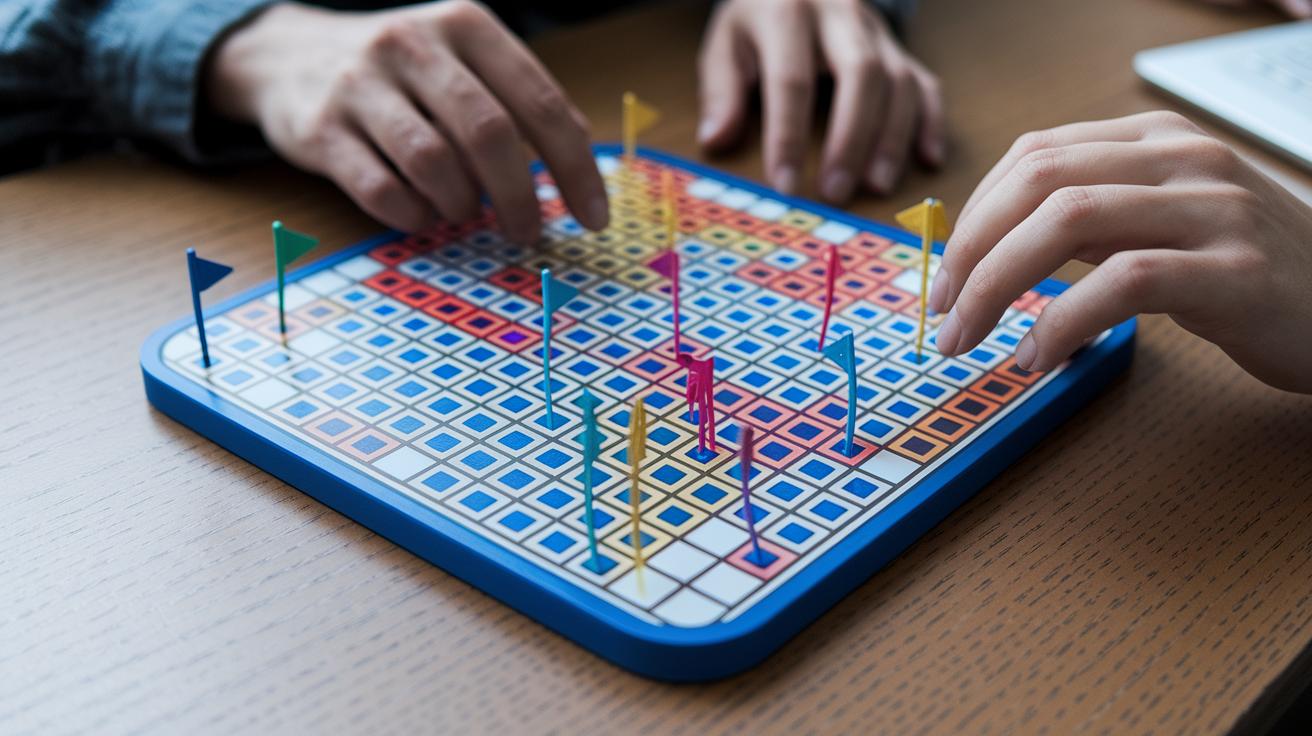
When you find yourself staring at a board with tons of potential mine spots, it's time to mix in some probability magic. Instead of just randomly clicking, count how many mines are left and compare that to the number of hidden cells around a group. Ever been stuck with two nearly identical areas? In those moments, leaning on the balance between the two regions can help you pick the safer square. And here's a cool trick: start with the corners. These spots usually have fewer neighbors, which naturally cuts down the chance of a mine, transforming a random click into a smart, data-backed move.
Taking an algorithm-like approach really ups your game. Every time you clear a cell or flag a suspect one, give the board another look. Check the numbers, keep an eye on symmetry, and compare the clues to how many mines are still unaccounted for. This constant re-assessment not only lowers your risk of hitting a mine but also builds your gut feeling for the game. Before you know it, you’re not just guessing, you’re making moves like a true strategist.
- Count how many mines are left compared to the hidden neighbors.
- Look for balanced regions with matching mine counts to guide your choice.
- Click in spots that seem most likely to be free from mines.
- After flagging or clearing a cell, recalc your probabilities to stay sharp.
Minesweeper Speed Optimization and Efficient Click Strategies
When you uncover a square without any mines nearby, it starts a chain reaction that reveals a big chunk of the board at once. It’s like triggering a bonus round where one smart click pushes you forward. Imagine hitting a zero-adjacent spot and suddenly seeing many safe squares open up, giving you extra hints and letting you rush ahead. These chain reactions are a great way to cover more ground quickly and shave off those extra seconds on your timer.
Focusing on the board’s edges and corners is another cool trick. They tend to have fewer neighboring cells, which makes it easier to spot safe spots and clear them out. Think of the board’s outer parts as low-risk zones where a small mistake won’t hurt you much. By tackling these areas first, you set up a safe base that can lead to even bigger chain reactions later on.
Keep your pace fast but stay careful. Quick clicks can really boost your time, but sometimes a brief pause to double-check your moves makes all the difference. Re-read the numbers and check the cells around them so you don’t accidentally click on something risky. This way, you can keep the game moving fast while staying on point.
Avoiding Common Mistakes in Minesweeper Gameplay
Beginners tend to slip up when they rush moves, letting nerves mess things up. For example, hurrying might make you misread a clue and lose the match.
Common mistakes include placing flags in the wrong spots, miscounting nearby numbers, and rushing plays. For instance, if you see a cell with a 1 and instantly flag an adjacent square without a careful look, you might block a safe cell, kind of like marking off the wrong spot on a treasure map. Also, don't assume that a cell showing a 2 means only one neighboring cell is risky. Beginners sometimes lose sight of how to fix mistakes, so when something goes wrong, take a deep breath and review the board carefully. Always scan the numbers and check around each one before placing a flag.
Stick to a steady routine of scanning and flagging after every move. It’s like double-checking your power-up before a big boss fight. This habit helps you catch errors early before they pile up.
Final Words
In the action, we broke down essential minesweeper game tips like smart safe clicks and strategic flag placement. We explored how combining logic with careful observation sets up your board, from understanding number clues to using chain reactions for rapid clears.
The guide mixed quick techniques with step-by-step logical methods and risk checks, making each move count. Keep these strategies in mind as you play, and you’ll see your skills grow with each session. Enjoy the thrill of every clear and flag!
FAQ
How can I find Minesweeper game tips from Reddit, beginner guides, or PDF resources?
The tips gathered from Reddit and PDF guides mix practical advice with clear steps. They focus on early safe moves, logical deduction, and flagging tips to build a steady, risk-managed clear on the board.
What is the best strategy and trick to play Minesweeper effectively?
The best strategy to play Minesweeper combines careful observation with logical moves. It emphasizes relying on number patterns, strategic flag placements, and calculated clicks rather than random guessing for steady progress.
What does the 121 rule in Minesweeper mean?
The 121 rule in Minesweeper refers to a specific pattern where cells arranged in a 1-2-1 formation signal mine placements. This pattern helps players decide where to flag mines confidently and safely.
What is considered the best first move in Minesweeper?
The best first move in Minesweeper typically involves clicking a central or edge square. This click often reveals a large safe zone through chain reactions, paving the way for logical deduction in later moves.
How can I win Minesweeper without having to guess?
Winning Minesweeper without guessing means using solid logic to interpret number clues and patterns. Following step-by-step methods minimizes risk and helps you decide on safe moves with more confidence.
How does Minesweeper compare to games like Patience, Sudoku, or Tetris?
Minesweeper, like Patience, Sudoku, or Tetris, demands quick thinking and pattern recognition. Each game tests your logic and reaction speed, offering different challenges while honing your overall problem-solving skills.


