
Have you noticed how game headlines these days scream for your attention? They shout out bold stats like a 21% rise in in-app buys and billions in revenue, making it clear that competitive strategy gaming is changing the way we play and cash in. Every headline feels like a sneak peek into epic moves and record-smashing plays, giving off the buzz of a high-stakes match with unexpected twists. Hang around to see what these killer numbers say about the lively world of competitive strategy gaming.
How Headlines Map the Competitive Strategy Gaming Surge
Back in 2020, the news told a story of a market in overdrive. Strategy games covering seven different styles pulled in about $5 billion net. In-app purchases jumped 21%, and downloads climbed 9% compared to the previous year. One headline even screamed, "Revenue Overdrive in Strategy Gaming," catching the eyes of gamers and investors like the rapid click of keys before a high-stakes match.
Another burst of news highlighted a standout performance in certain game types. For example, Rise of Kingdoms raked in $400 million net with a growth rate of 51%. At the same time, FunPlus’s State of Survival broke records, earning over $40 million monthly in its first year. It felt like watching an underdog rewrite the rules, similar to that unexpected moment when you unlock a secret level after long hours of play.
A third headline switched the focus from dollars to player engagement. The PUBG MOBILE Mayhem tournament drew in around 50,000 players in its debut month, talk about a massive multiplayer meetup! And then there was the news about Machine Zone being scooped up by AppLovin for $500 million, marking a big twist in market moves. These stories aren't just about big numbers; they capture the real thrill of gaming, a surge of cash flow and community energy that feels as epic as any in-game victory.
Decoding Viral Headlines of Gaming Clashes and Their Impact

Headlines aren’t just about big numbers anymore. They now hint at shifts in how investors feel, changes in market moves, and how social media creates buzz among gamers. These stories show us that developers are tweaking features while investors are rethinking where to put their money.
-
PUBG MOBILE Mayhem’s spike shows off real community energy. It’s a sign that when a game event blows up online, it can change the way investors see engagement. "When a game event explodes online, it reshapes how investors view engagement."
-
State of Survival’s revenue jump points to clever marketing that pulls in new gamers and lifts investor confidence. It’s like watching smart moves flip the game on how profitable a title can be. "A revenue jump like this shows how agile outreach can flip the script on game profitability."
-
Rise of Kingdoms hitting a revenue milestone is shifting market vibes by drawing fresh investment into strategy titles. This pushes developers to keep innovating. "Big revenue numbers can signal a shift where both players and investors lean in for a look at emerging features."
-
Machine Zone’s buyout marks a push for bigger, strategic moves. It makes people talk about reshuffling resources and stepping up in the competitive market. "Such merger actions set off waves in how companies plan their next big move."
-
Scopely’s growth story mirrors how gamers are changing. It hints that Western publishers are stepping up to catch attention in a cutthroat scene, sparking a race for fresh in-game ideas. "A strong growth curve often sparks a race, with fresh in-game ideas coming to the forefront."
Evolution of Tactical Battle Arenas: Headline-Driven Shifts in Game Design
News headlines often shine a light on the tricky balance game makers need to hit today. Take Supercell, for example. They lead in Build & Battle and real-time strategy games, yet even their success can hit a plateau when market trends change. It’s like a quick news flash saying, “Yep, even the best have to adjust their game plan.” This keeps developers on their toes, always tweaking game mechanics even when things seem steady.
Riot’s three mobile League games pulled in $50 million and racked up 40 million installs in 2020. Pretty impressive, right? But while their performance was solid, it also felt a bit contained. Meanwhile, Western MOBAs are dealing with hard development challenges and money-making issues that often pop up in the news. Such stories push creators to rework their game balance and improve user experience, sparking lively debates over which tactics really keep players coming back for more.
Some publishers find themselves in rough patches, while others, like Mobile Strike, catch the spotlight for their cool reskin approach. Even with fewer daily players, Mobile Strike managed to get a high revenue from its paying users. On the flip side, Warner Bros saw a 16% drop in revenue and a massive 64% fall in downloads for their strategy games. These ups and downs remind us that the world of game design is always shifting, with wins and setbacks driving innovation at every turn.
Case Study: Mobile Strike Reskin Strategy
Mobile Strike turned the usual game tactics on their head with a fresh reskin update that got people talking. Even though the daily player count was lower, the game pulled in big bucks from each paying user, shaking up the old 4X game style (a strategy type focused on building an empire). This case shows that sometimes a smart change in a game’s art and interface can lead to major financial wins without needing a full overhaul, sparking new ideas
Industry Spotlight on Leaderboard Battles and Data Trends
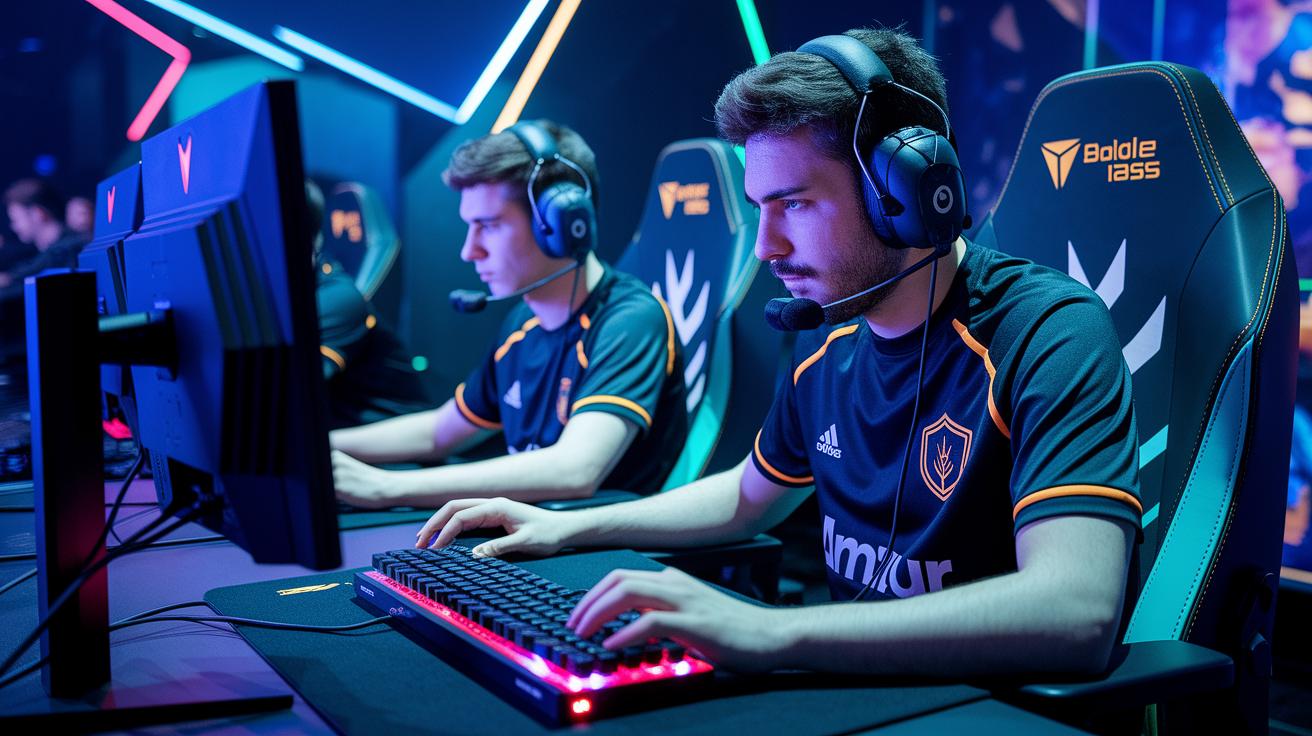
Competitive gaming has come a long way. Today, clear-cut numbers drive everything from epic in-game events to smart revenue moves by publishers. Check out the table below, it shows some key stats that have gamers buzzing:
| Metric | Value |
|---|---|
| In-app Purchase Growth | 21% |
| Download Increase | 9% |
| Rise of Kingdoms YOY Growth | 51% |
| State of Survival Market Share | 22% |
| Star Trek Fleet Command YOY Growth | 61% |
| Monetization Focus | High ARPPU, Low DAU |
When you dig into these numbers, new insights start to pop up. Think about Star Trek Fleet Command, its 61% growth stands out, even as other games show steady gains. This tells us that a game can hit big with a small but high-spending player base, proving that targeting revenue from fewer players can work just as well as attracting loads of daily users. Ever felt that rush right before a boss fight? That’s similar to spotting these trends in your dashboard!
Now, imagine a game team tweaking challenges to reward those big spenders while still dodging the trap of low new sign-ups. It’s like planning your perfect raid setup: check your stats, adapt your strategy, and then jump into action. A leading strategy game mid-update saw player spending spike during a major leaderboard tournament, even as overall activity remained steady.
These shifts in tactics mean leaderboard battles are more than just scorekeeping. They’re a window into how a game earns its keep, blending player engagement with solid revenue play. It’s a balancing act that’s reshaping how digital contests are fought and won.
Case Studies on Pioneering Tournament Concepts in Strategy Gaming
PUBG MOBILE Mayhem
PUBG MOBILE Mayhem shook things up by hosting a fully licensed event that pulled in 50,000 players in just one month. The event wasn't just another game day, when so many players log on, it turns the game into a huge celebration that boosts both player excitement and sponsor visibility. It almost felt like watching the rapid click of keys as gamers geared up for a major match.
This event set a new standard for mobile tournaments. Organizers made sure the licensing was clear and straightforward, which built trust and fueled the buzz in the competitive community. Ever felt that thrill when you know something big is about to go down? That was exactly the vibe here.
Clash Royale Crown Championship
The Clash Royale Crown Championship brought a fresh twist to arena play with its well-organized ranked tiers that got the player community fired up. It was like watching your favorite game mode get a power-up, casual play transformed into a battleground filled with clear challenges and a steady path for progress. Think of it as leveling up from a quick match to a full-fledged tournament.
By reintroducing structured, competitive play, the championship reignited passion and focus among players. It wasn’t just about winning; it was about putting a spotlight on the strategy and skill behind every move. This shift has sparked lots of new chats about what the future holds for organized eSports battles.
Call of Duty: Mobile World Championship
Call of Duty: Mobile World Championship made a splash with major broadcast deals and huge prize pools that turned heads across the gaming world. Every match felt like a mini-final thanks to high-quality production, pulling in top talent and serious sponsor interest. Imagine the crisp audio of a well-planned broadcast meeting the energy of a live battle, it's that kind of intensity.
The tournament focused on maxing out production quality and solid financial backing, which really put competitive mobile gaming on a new pedestal. This case shows just how much of a game-changer both top-notch partnerships and big prizes can be when it comes to ramping up the hype and excitement in our gaming circles.
Forecasting Future Tactical Engagements from Media Narratives
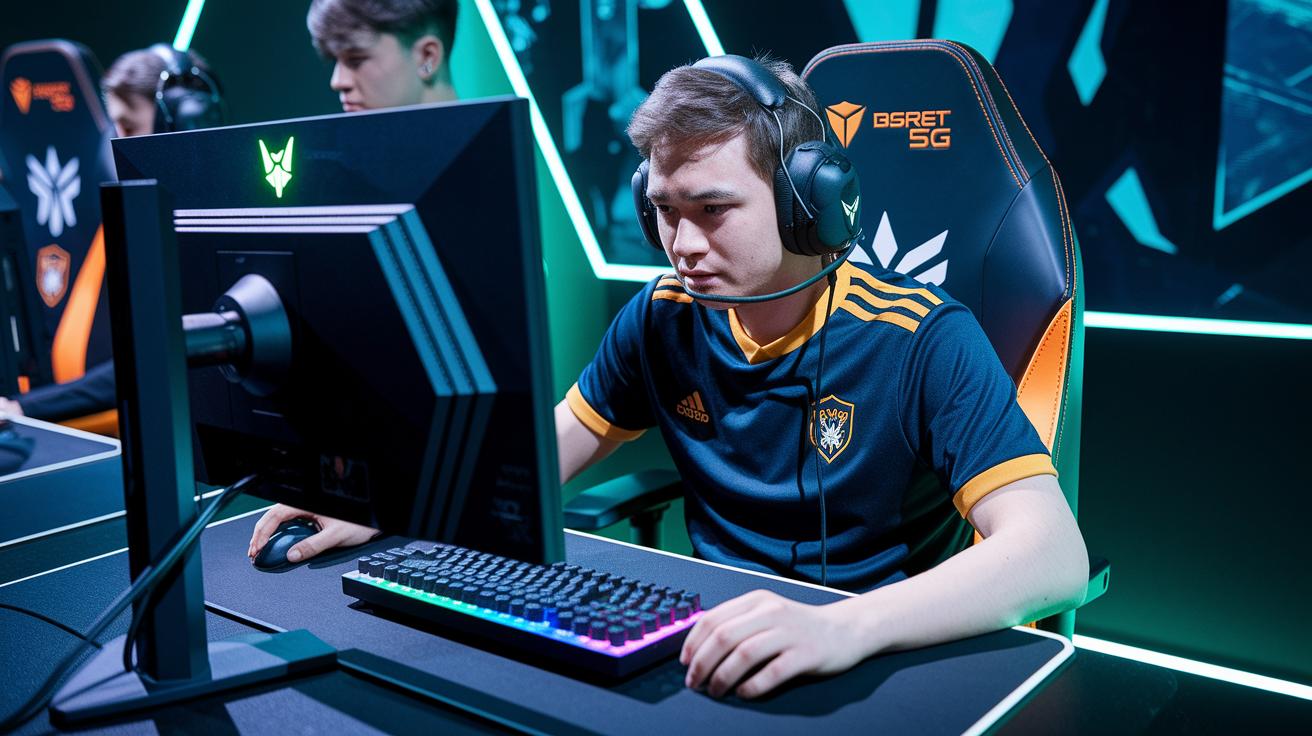
- 5G and mobile tech boosts will bring quick, smooth battles.
- Data analysis is changing how we match players and run tournaments.
- Mixed media will merge live streams with in-game events.
New trends are got game developers and marketers buzzing. Picture a future where every intense battle feels as smooth as your favorite arena match, all thanks to 5G. Developers are getting ready to build fights that are fast and immersive, and it's already shaping how strategy games work. Many are using data analytics (a deep look into game stats) to perfect player matching and give us tournaments that keep us hooked.
And for the fans, expect your viewing experience to get a serious upgrade. Live streams that mix in-game action with real-time chat are coming soon, making every match feel like a major showdown. This blend of tech and storytelling shows that media will keep powering up the competitive strategy gaming scene.
Final Words
In the action, this article broke down how top headlines captured massive tournament excitement, revenue spikes, and shifts in game design. We weighed unforgettable numbers and real case studies to show what’s driving today's competitive vibe. The rise of competitive strategy games: what headlines reveal paints a clear picture of an ever-charged market. With numbers that tell a story and moves that redefine play, feel the energy and get ready for more epic moments ahead.
FAQ
Q: What is the point of strategy games?
A: The point of strategy games is to challenge you to plan, manage resources, and outsmart opponents. It’s a test of your tactical decision-making skills that rewards careful thought and clever moves.
Q: Why aren’t RTS games popular anymore?
A: The decline in RTS games’ popularity comes from changes in player interests. Fast-paced, multi-genre titles now grab attention more than traditional real-time strategy gameplay.
Q: What is the main objective of players in a game of strategy?
A: The main objective in strategy games is to outwit your competition by making smart moves. You need to plan your tactics, control key resources, and react quickly to secure victory.
Q: Do people with ADHD like strategy games?
A: People with ADHD can enjoy strategy games if they offer clear challenges and lively visuals. Engaging gameplay with frequent decisions can hold interest, though preferences vary from gamer to gamer.


